FRP Water Softener Tank
Cylindrical FRP Water Softener Tank Supplier in China
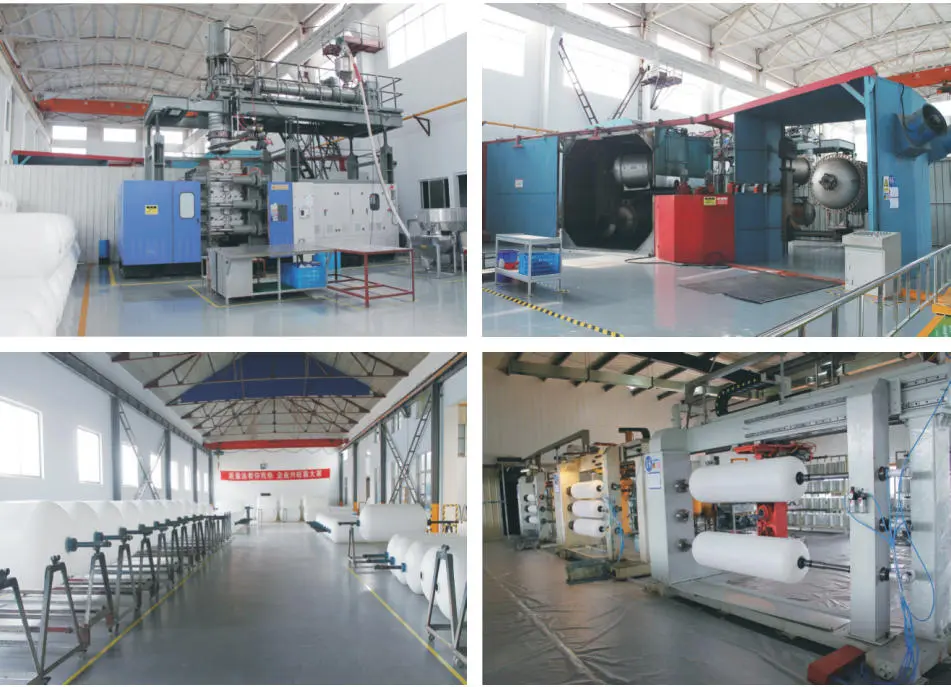
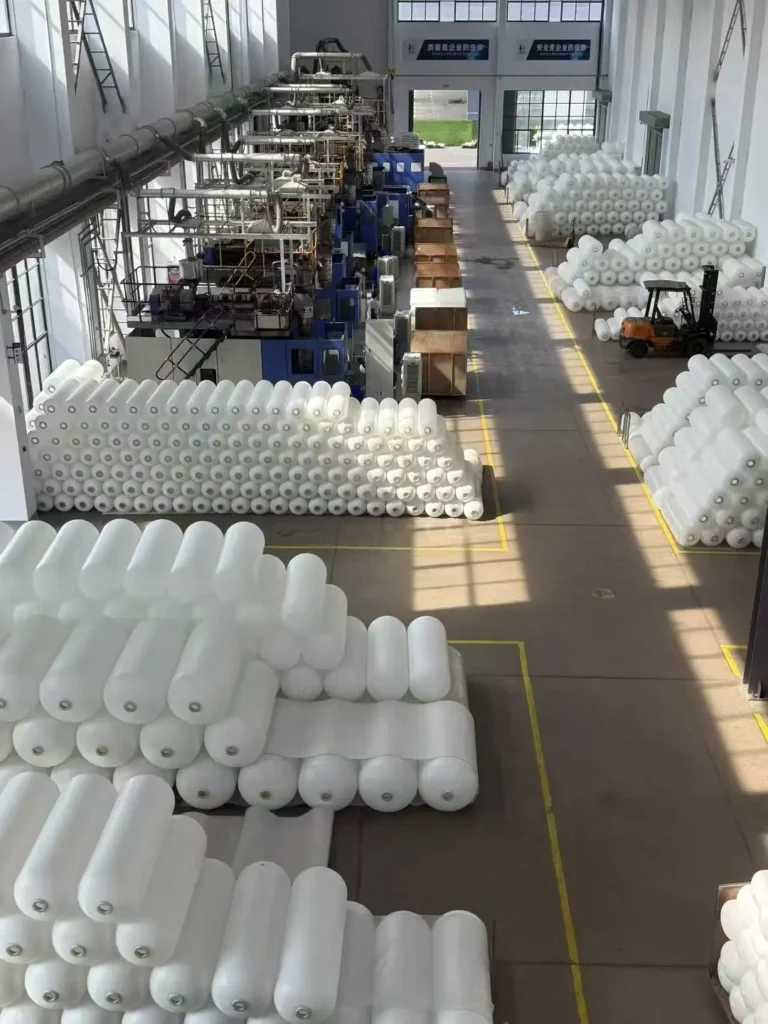
For FRP water softener tanks, our factory currently operates 4 fully automated high-efficiency hollow blow molding machines, 4 three-station rotational molding machines, 8 fully automated multi-station winding machines, and over 10 injection molding machines, enabling an annual production capacity of 500,000 units for tanks with diameters ranging from 6 to 30 inches, and 80,000 units for tanks with diameters from 36 to 83 inches.
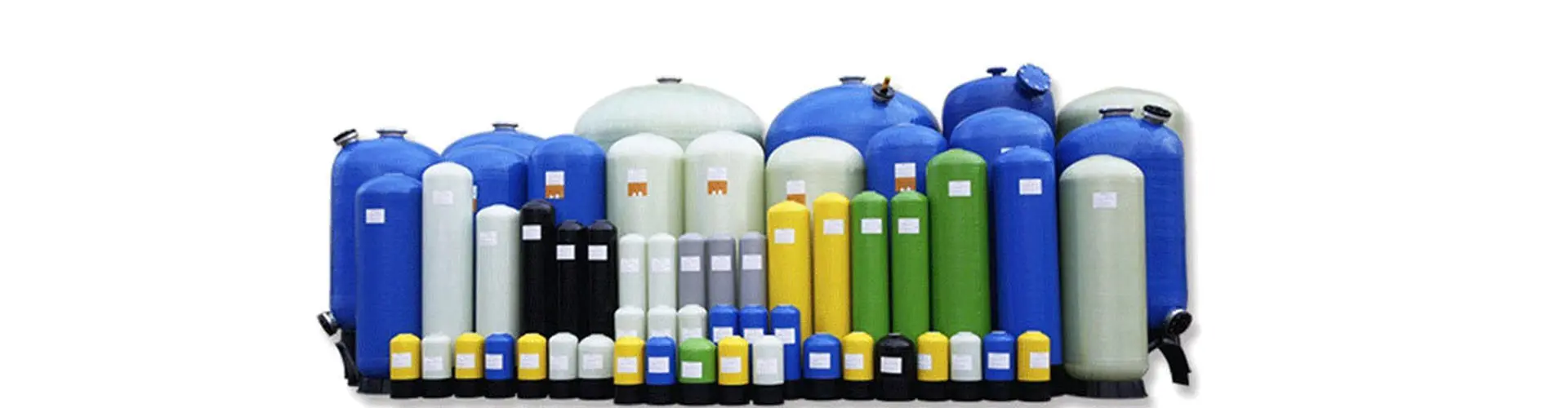
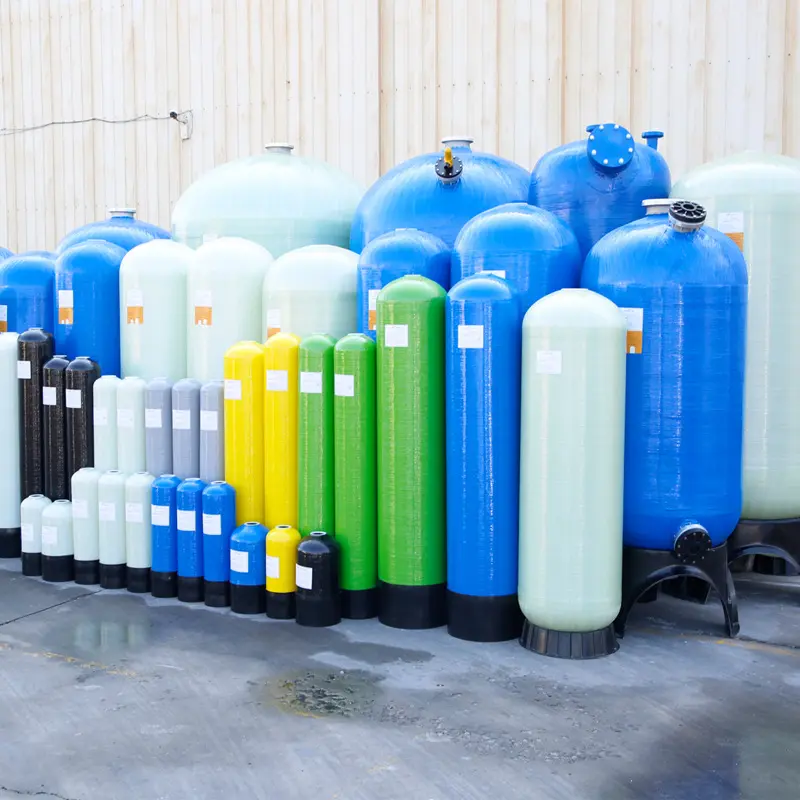
Our full series of FRP water treatment tanks, covering diameters from 6 to 83 inches, are available in over 80 different models. All products are manufactured in accordance with international standards and have obtained NSF and CE certifications. We also offer OEM services to our customers.
What is FRP Water Softener Tank?
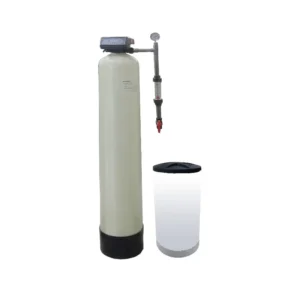
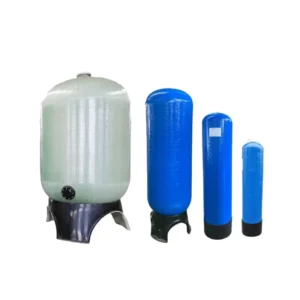
FRP water softener tank is a critical component in water softening equipment. Constructed from fiberglass-reinforced plastic (FRP) with a food-grade polyethylene (PE) inner liner, it offers advantages such as light weight, high strength, and excellent corrosion resistance. The product operates within a working pressure range of 0.15–0.6 MPa and a maximum temperature of ≤49°C [2–4]. It is widely used in water treatment processes across various storage applications, including boiler feedwater softening, makeup water for air conditioning systems, and industrial sectors such as chemical and food processing.
FRP material advantages (corrosion resistance, lightweight)
Lightweight yet high-strength – With a relative density of 1.5–2.0 (only 1/4 to 1/5 that of carbon steel), the FRP water softener tank delivers tensile strength comparable to or even exceeding carbon steel, and its specific strength rivals that of high-grade alloy steels. Some epoxy-based FRP grades achieve compressive, flexural, and tensile strengths exceeding 400 MPa.
Excellent corrosion resistance – The FRP water softener tank resists attack from atmospheric, water, common acids, alkalis, salts, oils, and solvents, making it a superior choice for chemical protection and a reliable replacement for carbon steel, stainless steel, wood, and non-ferrous metals in many corrosive environments.
Superior electrical insulation – As an outstanding insulating material, the FRP water softener tank maintains excellent dielectric properties even at high frequencies. Its good microwave transmittance also enables broad use in radome applications.
Good thermal performance– The material exhibits favorable thermal characteristics suitable for its operating conditions.
Cylindrical FRP Water Softener Tank Specifications
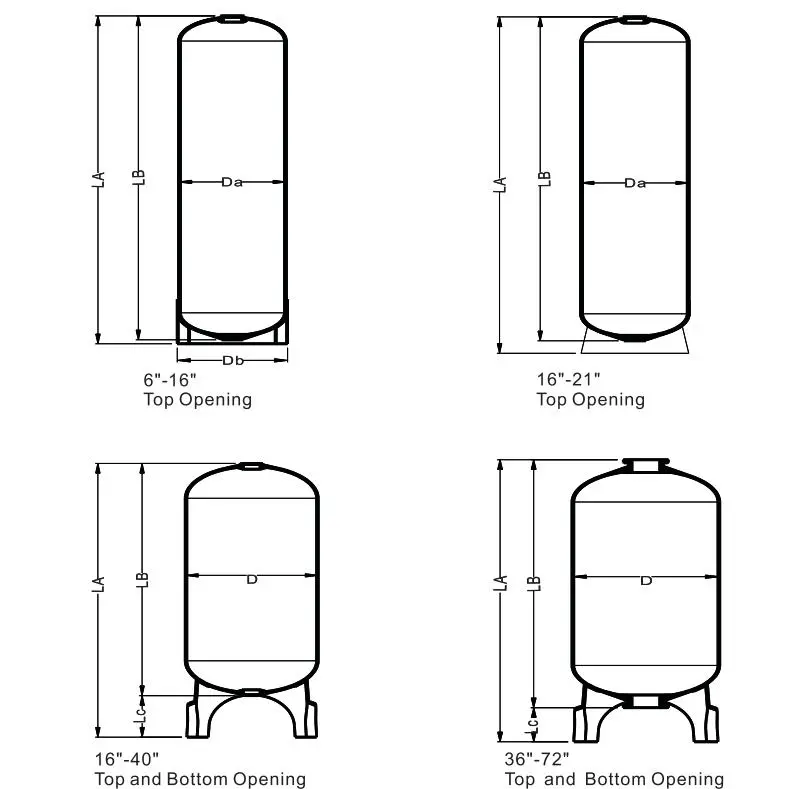
| Series Classification | Model (Inches) | Total Tank Height (mm) | Effective Volume (L) | Maximum Working Flow Rate (m³/h) | Resin Volume (L) | Opening | Opening |
|---|---|---|---|---|---|---|---|
| Residential Small Series | 617 (7×17) | 430 | 8.6 | 0.2-0.5 | 5 | 2.5" NPSM Thread | 2.5" NPSM Thread |
| (Household/Small Commercial) | |||||||
| 817 (8×17) | 445 | 11.3 | 0.3-0.6 | 7 | 2.5" NPSM Thread | 2.5" NPSM Thread | |
| 844 (8×44) | 1100 | 25.6 | 0.5-1.0 | 20 | 2.5" NPSM Thread | 2.5" NPSM Thread | |
| 1035 (10×35) | 875 | 40.8 | 0.6-1.5 | 30 | 2.5" NPSM Thread | 2.5" NPSM Thread | |
| 1054 (10×54) | 1400 | 65.2 | 1.0-2.0 | 50 | 2.5" NPSM Thread | 2.5" NPSM Thread | |
| 1252 (12×52) | 1350 | 81.5 | 1.6-2.2 | 65 | 2.5" NPSM Thread | 2.5" NPSM Thread | |
| 1265 (12×65) | 1650 | 108 | 2.0-2.5 | 85 | 2.5" NPSM Thread | 2.5" NPSM Thread | |
| 1354 (13×54) | 1370 | 122 | 2.2-2.8 | 98 | 2.5" NPSM Thread | 2.5" NPSM Thread | |
| 1465(14×65) | 1630 | 142 | 2.5-3.2 | 110 | 2.5" NPSM Thread | 4" NPSM Thread | |
| Commercial Medium Series | 1865 (18×65) | 1651 | 246 | 4.0-6.0 | 200 | 4" NPSM Thread | 4" NPSM Thread |
| (Medium Commercial/Industrial) | 4" NPSM Thread | ||||||
| 2162 (21×62) | 1500 | 300 | 5.0-7.0 | 240 | 4" NPSM Thread | 4" NPSM Thread | |
| 2472 (24×72) | 1800 | 496.7 | 6.0-10.0 | 400 | 4" NPSM Thread | 6" Standard Flange | |
| 2540 (25 × 40) | 1016 | 325 | 5.5–8.0 | 260 | 4" NPSM Thread | 6" Standard Flange | |
| 3072 (30×72) | 1800 | 847.9 | 10.0-15.0 | 700 | 4" NPSM Thread | ||
| 3672 (36×72) | 1800 | 1217.6 | 15.0-25.0 | 1000 | 6" Standard Flange | ||
| Industrial Large Series | 4072 (40×72) | 1800 | 1475.8 | 20.0-30.0 | 1200 | 6" Standard Flange |
How to Choose the Right FRP Water Softener Tank?
Product Materials
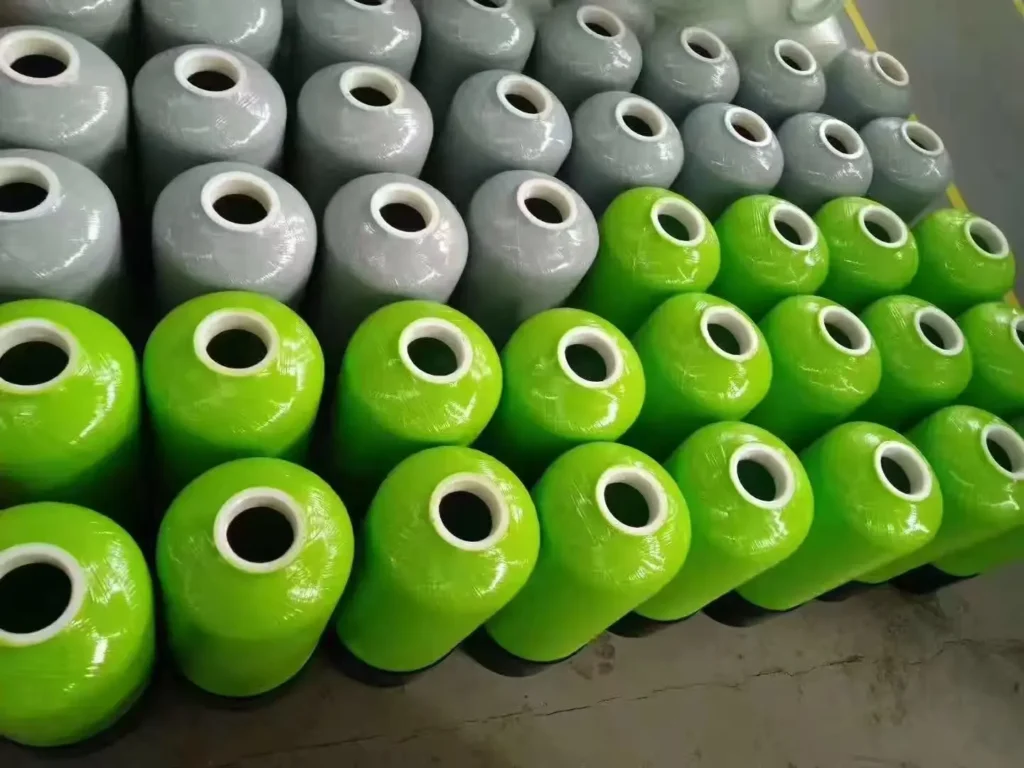
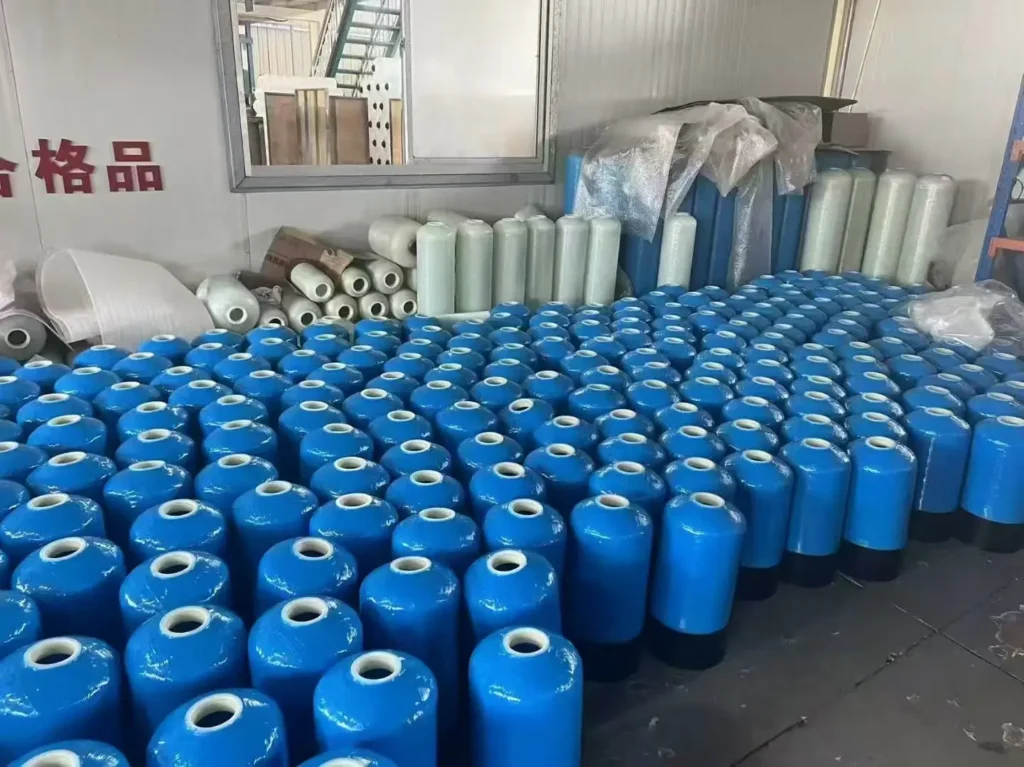
Most FRP water softener tanks currently consist of two parts: an inner liner and a filament-wound outer layer. The liner can be made of FRP, PE, or ABS, while the wound layer is formed by mixing fiberglass roving with resin. The roving may be alkali-containing or alkali-free; the resin may be epoxy or unsaturated polyester.
Tanks made with alkali-containing roving and unsaturated polyester resin are lower in cost, but they have poor oxidation resistance, are prone to aging, and offer low fatigue resistance. In contrast, FRP water softener tanks using alkali-free roving and epoxy resin are more expensive, yet they provide significantly better oxidation resistance and a longer service life. Epoxy resin tanks are also NSF-certified in the U.S., ensuring reliable quality.
Appearance
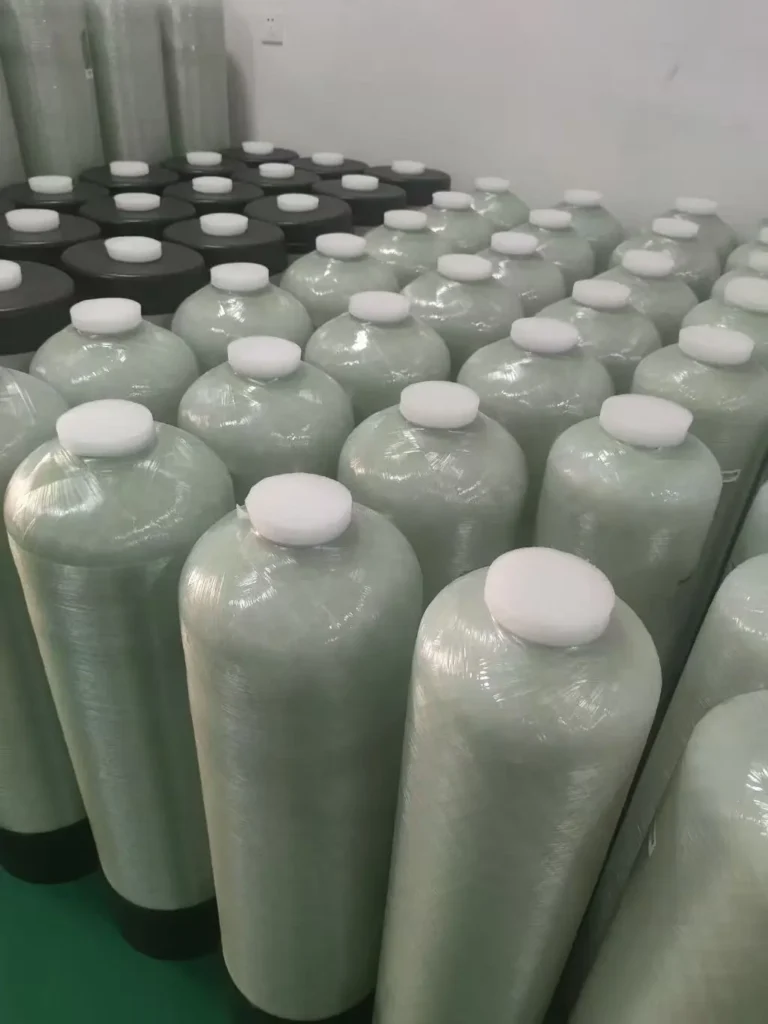
Epoxy resin FRP water softener tanks feature a bright finish with a natural light green tint, whereas unsaturated polyester resin tanks appear duller with a yellowish hue.
Pressure Ratings
Common pressure ratings for FRP water softener tanks include 100 psi, 125 psi, and 150 psi. Higher pressure ratings require more raw materials, resulting in thicker walls and heavier weight, which in turn provide greater operational safety. However, the increased production costs also make these tanks more expensive than lower-rated alternatives.
Maintenance of FRP Water Softener Tank
Stabilize voltage and pressure to prevent tank rupture
Most ruptures of FRP water softener tanks are caused by sudden negative pressure surges. During daily operation, it is essential to ensure that the voltage and pressure supplied to the water softening unit or multi-media filter remain stable. Avoid sudden voltage fluctuations or abrupt pressure changes, as these can generate instantaneous negative pressure and lead to cracking or rupture of the FRP water softener tank, compromising its subsequent performance.
Store away from direct sunlight
Many users tend to place FRP water softener tanks wherever convenient, sometimes even in direct sunlight—which is a major maintenance mistake! Prolonged exposure to strong sunlight accelerates material aging, making the tank prone to cracks and damage, and significantly shortening its service life. The proper practice is to install the tank indoors in a cool, shaded area, protected from direct sunlight.
Protect against freezing in winter—maintain a safe temperature
FRP materials have limited cold resistance. If the equipment is shut down during winter, proper freeze protection measures must be taken! It is recommended to keep the equipment indoors and maintain the ambient temperature between 0°C and 45°C to prevent the FRP water softener tank from cracking or bursting due to low temperatures. This is especially critical in northern regions, where winter freeze protection should never be overlooked.