Ultrafiltration System
Industrial Ultrafiltration System Supplier
Ultrafiltration (UF) systems use membrane filtration to remove suspended solids, colloids, and microorganisms from water while allowing water and most dissolved salts to pass through. They are widely used in industrial water treatment, RO pretreatment, process water filtration, and wastewater reuse applications.
At Clear Environment, we source and supply industrial ultrafiltration systems from qualified Chinese manufacturers for water treatment contractors, engineering companies, and distributors. We support membrane selection, system configuration, OEM requirements, and supplier coordination based on project-specific flow rates, feed water quality, and treatment objectives.
Industrial Ultrafiltration Systems for Water Treatment
Industrial ultrafiltration systems can be configured with different membrane types, filtration capacities, and automation options to meet specific water treatment requirements. Key features include:
1. Automatic Backwashing and Cleaning
Depending on the membrane type and system configuration, UF systems can incorporate automatic backwashing, chemically enhanced backwashing (CEB), and clean-in-place (CIP) functions to help control membrane fouling and reduce manual maintenance.
2. Flexible Water Treatment Applications
UF systems are used for surface water treatment, industrial process water filtration, RO pretreatment, and wastewater reuse. Pretreatment requirements and membrane selection depend on feed water quality and treatment objectives.
3. Automated System Operation
UF systems can be equipped with PLC controls, pressure and flow monitoring, and automated filtration and cleaning sequences. The level of automation can be selected according to project requirements.
4. Membrane Selection and Filtration Performance
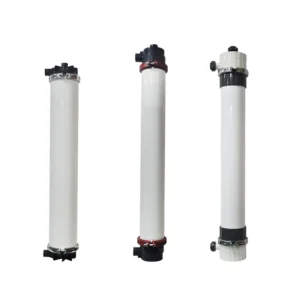
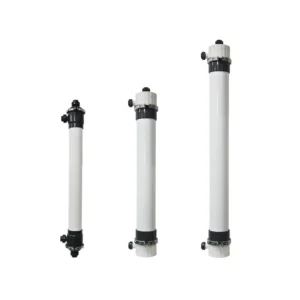
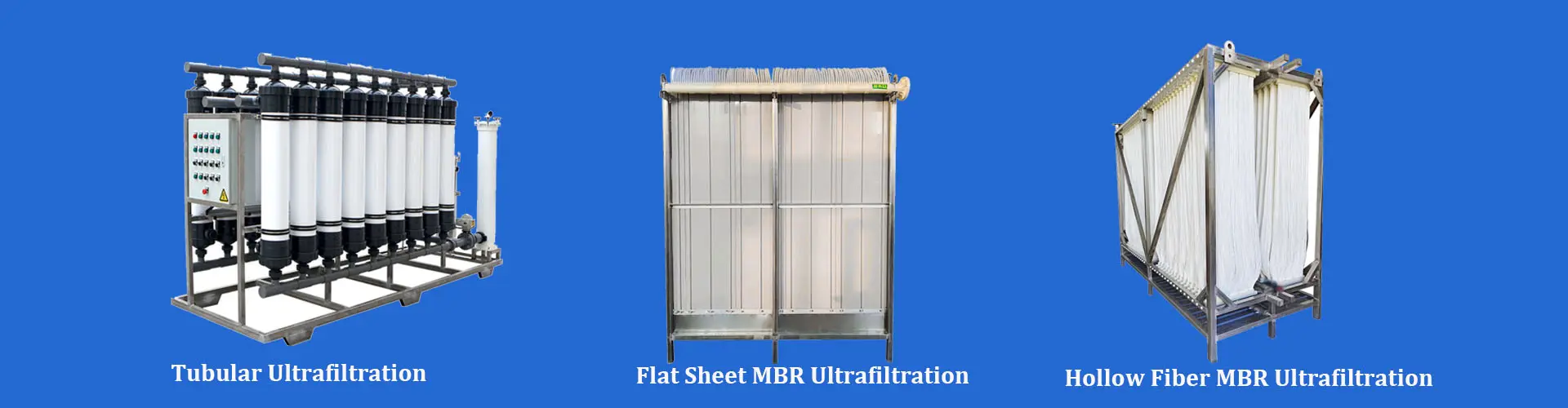
Hollow fiber, tubular, and other suitable membrane configurations are available for different applications. UF membranes remove suspended solids, colloids, and many microorganisms, while membrane material, pore size, and operating conditions are selected based on the intended treatment process.
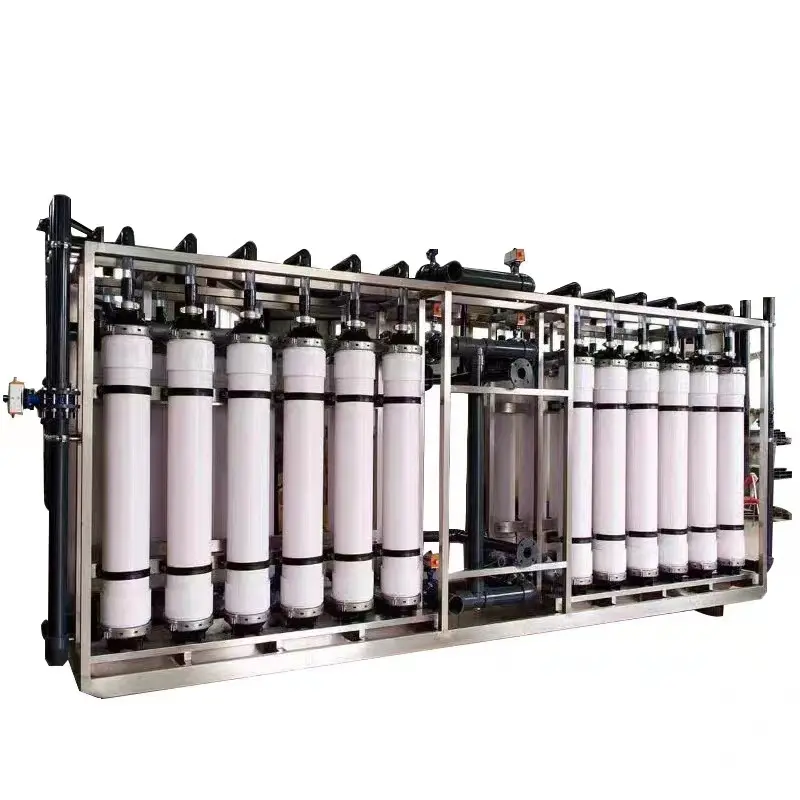
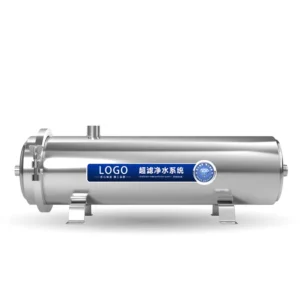
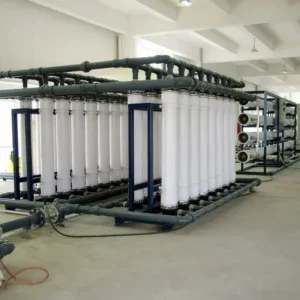
Pressurized Ultrafiltration Systems for Water Treatment
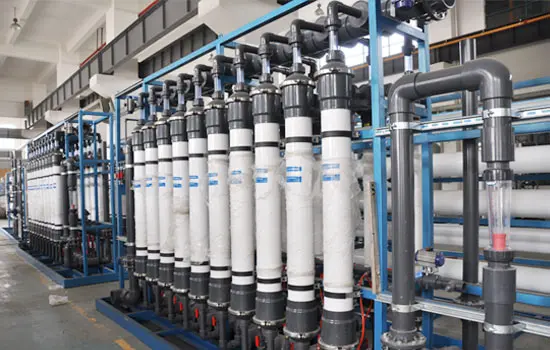
RO Pretreatment Ultrafiltration System
Ultrafiltration systems are widely used as pretreatment for reverse osmosis (RO) plants. UF membranes help remove suspended solids, colloids, and microorganisms, reducing the particulate load on downstream RO membranes. System configuration and pretreatment requirements depend on feed water quality and RO operating conditions.
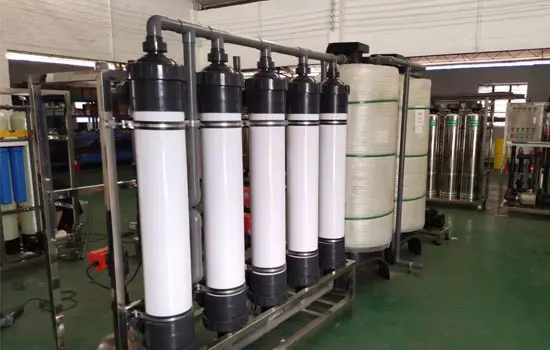
Ultrafiltration System for Drinking Water Treatment
Ultrafiltration systems can be used in drinking water treatment plants to reduce turbidity, suspended solids, and many microorganisms. Depending on the source water and applicable drinking water standards, additional treatment and disinfection may be required. UF systems can be configured for small municipal facilities, hotels, and community water treatment projects.
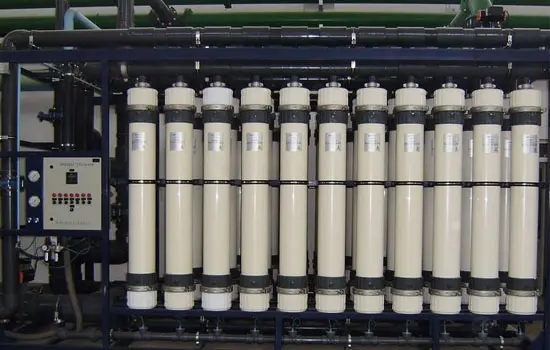
Ultrafiltration System for Industrial Wastewater Reuse
Industrial ultrafiltration systems can be integrated into wastewater treatment and reuse processes to remove suspended solids, colloids, and other particulate contaminants. Depending on wastewater characteristics, UF may be installed after biological or physicochemical treatment, or before downstream RO systems. Membrane selection and pretreatment requirements depend on the wastewater composition and reuse objectives.
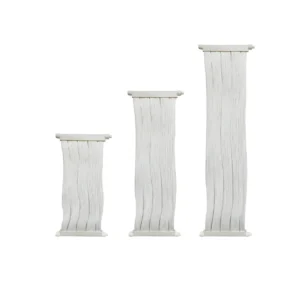
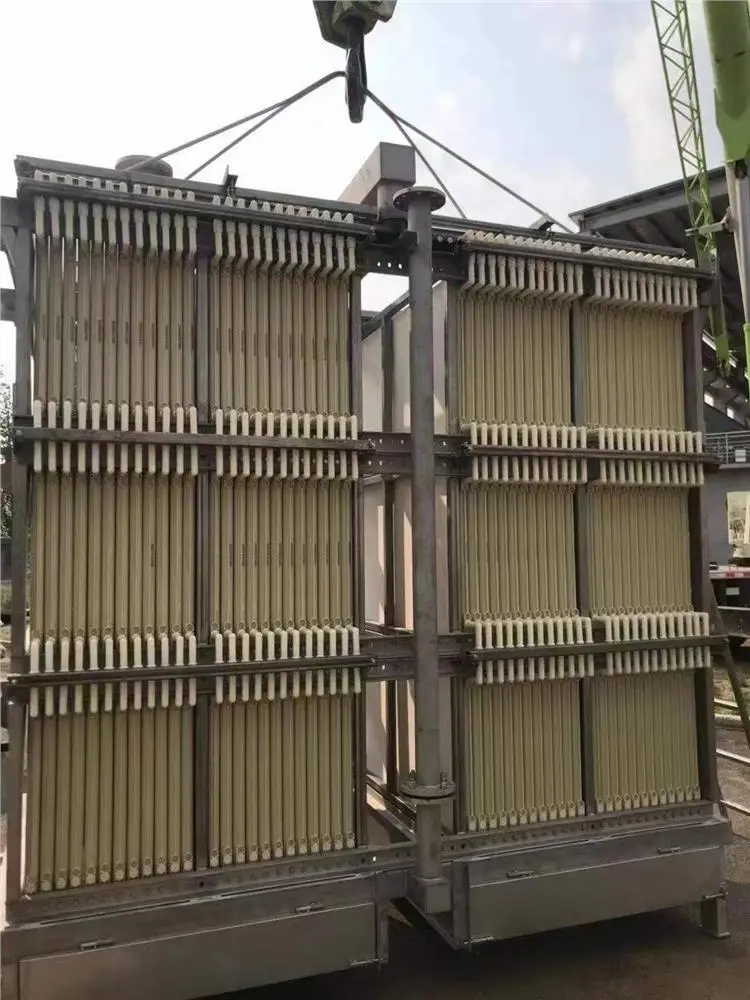
Flat Sheet MBR System for Wastewater Treatment
Flat sheet membrane bioreactor (MBR) systems combine biological wastewater treatment with membrane filtration for solid-liquid separation. They are used in municipal and industrial wastewater treatment projects where compact system design and consistent suspended solids removal are important.
In a typical flat sheet MBR process, wastewater passes through screening and equalization before entering a biological treatment tank. Microorganisms break down biodegradable organic pollutants, while submerged flat sheet membrane modules retain activated sludge and suspended solids, producing clarified effluent.
The biological treatment process is responsible for most COD and BOD removal, while nitrogen and phosphorus removal depends on the selected process configuration and operating conditions. The membrane separation stage helps maintain low suspended solids in the treated water.
Flat sheet MBR systems can be considered for wastewater reuse or discharge applications, subject to feed water characteristics, membrane selection, operating conditions, and applicable water quality requirements.
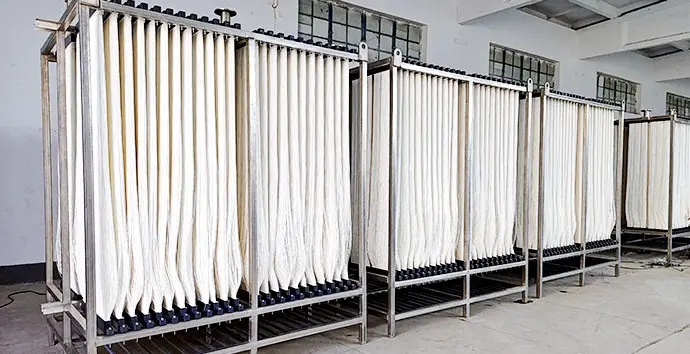
Submerged Hollow Fiber Ultrafiltration System
High membrane surface area in a compact module configuration
Suitable for submerged filtration in water and wastewater treatment tanks
Outside-in filtration configuration for applicable hollow fiber membrane modules
Air scouring to help control membrane fouling
Backwashing and chemical cleaning options, depending on membrane design
Modular configuration for different treatment capacities
Applicable to selected MBR and submerged UF water treatment processes
Membrane selection and system configuration depend on feed water characteristics, required treatment capacity, and operating conditions.
Related Articles
- Pre-ultra Filtration(UF) System Selection Based on Raw Water Quality Indicators (Turbidity/SDI/DOC)
- Introduction to UF Membrane Cleaning Procedure
- The Role of Terminal UF Membrane in Ultrapure Water Systems and Key Design Parameters
- Sharing a Design Calculation Example for an Ultrafiltration System
- Effect of Water Temperature on Permeate Flow of Ultrafiltration Water Treatment Systems and Operational Optimization
- PTFE vs PVDF Hollow Fiber UF Membranes: Revisiting Performance Boundaries and Applications
Ultrafiltration System FAQs
What is an ultrafiltration system in water treatment?
An ultrafiltration (UF) system uses pressure-driven membranes to remove suspended solids, colloids, and many microorganisms from water. It is commonly used for industrial process water treatment, RO pretreatment, surface water filtration, and wastewater reuse. UF does not significantly remove dissolved salts.
What are the main applications of industrial ultrafiltration systems?
Industrial UF systems are used for RO pretreatment, process water filtration, surface water treatment, and wastewater reuse. Depending on the membrane configuration, UF technology can also be integrated into submerged filtration and membrane bioreactor (MBR) processes.
Can an ultrafiltration system remove dissolved salts?
No. Conventional UF membranes primarily remove suspended particles, colloids, and microorganisms rather than dissolved salts. Reverse osmosis (RO) or other desalination technologies are required when dissolved salt removal is a treatment objective.
What information is needed to select an ultrafiltration system?
Important parameters include feed water source, turbidity, suspended solids, temperature, required treatment capacity, target water quality, and downstream treatment requirements. Additional water analysis and pilot testing may be necessary for challenging wastewater applications.
How is an ultrafiltration system designed for RO pretreatment?
UF systems for RO pretreatment are designed according to feed water quality, membrane flux, recovery, filtration cycles, and cleaning requirements. The objective is to reduce particulate and colloidal loading on downstream RO membranes while maintaining reliable UF operation.
What cleaning methods are used in ultrafiltration systems?
Depending on membrane design and operating conditions, UF systems may use hydraulic backwashing, air scouring, chemically enhanced backwashing (CEB), and clean-in-place (CIP). Cleaning procedures and chemical compatibility must follow the membrane manufacturer’s specifications.