Ultrafiltration Membrane
Ultrafiltration Membrane Suppliers
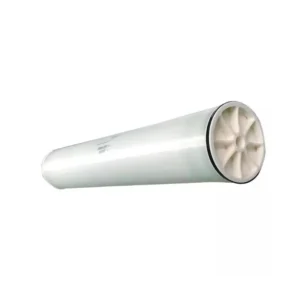
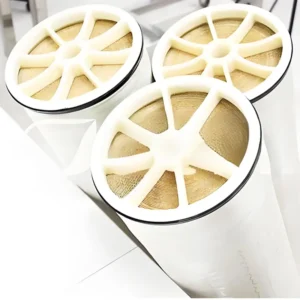
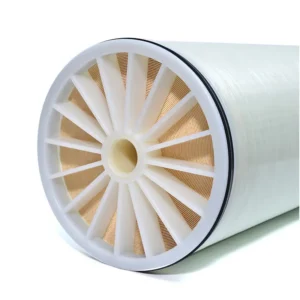
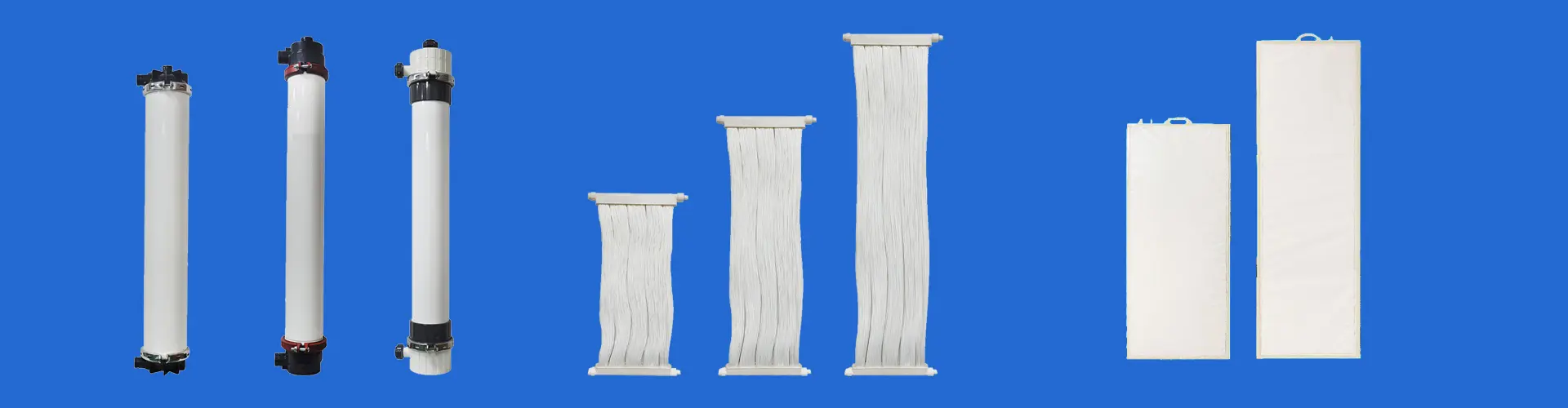
Available in plate-and-frame, tubular, spiral-wound, and hollow fiber configurations, UF membranes can be flexibly selected to meet different system designs and application requirements in industrial and municipal water treatment.
Based on membrane materials, ultrafiltration membranes are generally divided into organic polymer membranes and inorganic membranes. Organic polymer UF membranes are the most widely adopted solution due to their excellent mechanical strength, stable performance, cost-effectiveness, and ease of manufacturing, allowing precise control over membrane structure and filtration performance.
Inorganic UF membranes, while offering high chemical and thermal resistance, have a shorter industrial history and more limited market adoption, making organic polymer UF membranes the preferred choice for most large-scale water treatment applications.
Looking for a replacement for your existing UF membrane?
Our UF membrane elements are designed to provide compatible alternatives to a wide range of international brands and commonly used models. Download our UF Membrane Cross-Reference Guide to find the corresponding replacement model.
Clear Environment Brings You Diverse Ultrafiltration Membrane
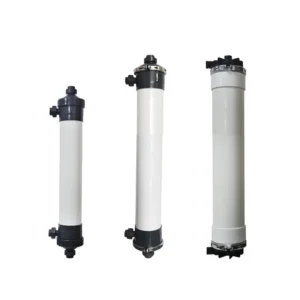
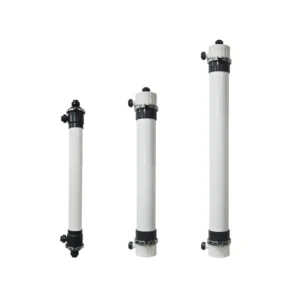
Choose The Types of Ultrafiltration Membranes
Ultrafiltration Tubular Membranes
Tubular ultrafiltration membranes utilize precise pore sizes (0.01–0.1 μm) to achieve high-efficiency separation across multiple applications. In water treatment, they remove up to 99.9% of bacteria and viruses (MWCO 1–100 kDa), supporting drinking water purification and wastewater reuse.
They are widely used for juice clarification (turbidity <0.5 NTU), dairy concentration (protein retention >95%), and biopharmaceutical purification with yields above 90%. In environmental and chemical applications, tubular UF membranes achieve COD removal rates of 60–80% and improve catalyst recovery efficiency by about 30%.
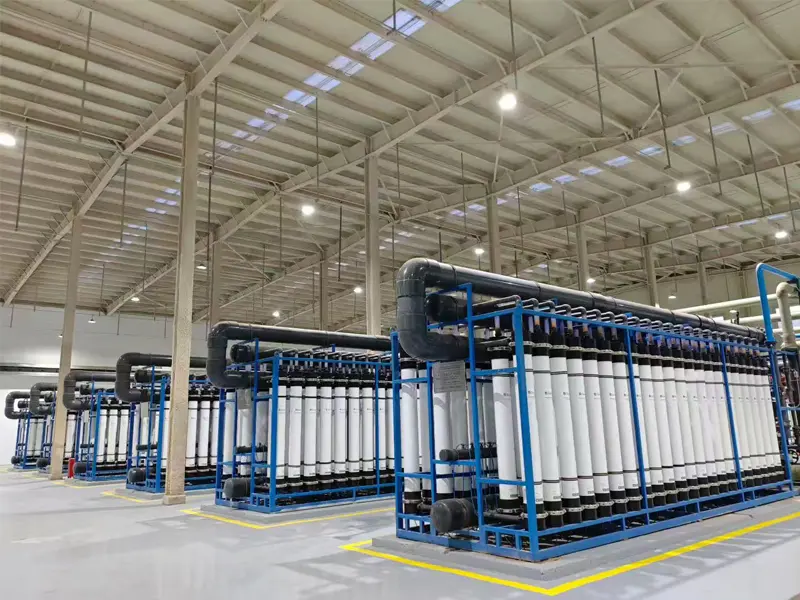
Membrane Bio Reactor (MBR) for Wastewater
Municipal Wastewater Treatment and Reuse
Suitable for municipal wastewater treatment plants, especially for reclaimed water reuse projects with high effluent quality requirements.
Industrial Wastewater Treatment
Advanced treatment and compliant discharge of wastewater from industries such as food processing, pharmaceuticals, chemicals, textile dyeing, electronics, and aquaculture.
Healthcare and Hotel Wastewater Treatment
Treatment of hospital wastewater and domestic sewage from hotels, ensuring stable compliance with discharge standards and preventing secondary pollution.
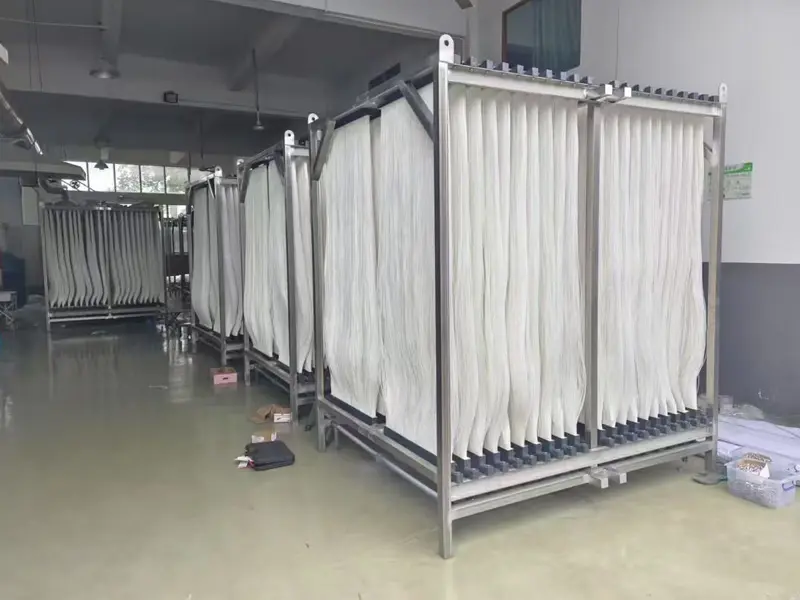
Flat Sheet Ultrafiltration Membrane for Wastewater
Municipal Wastewater Treatment and Reuse
Membrane bioreactor mbr wastewater treatment plant, suitable for municipal wastewater treatment plants, especially for reclaimed water reuse projects with high effluent quality requirements.
Industrial Wastewater Treatment
Advanced treatment and compliant discharge of wastewater from industries such as food processing, pharmaceuticals, chemicals, textile dyeing, electronics, and aquaculture.
Ceramic Ultrafiltration Membranes
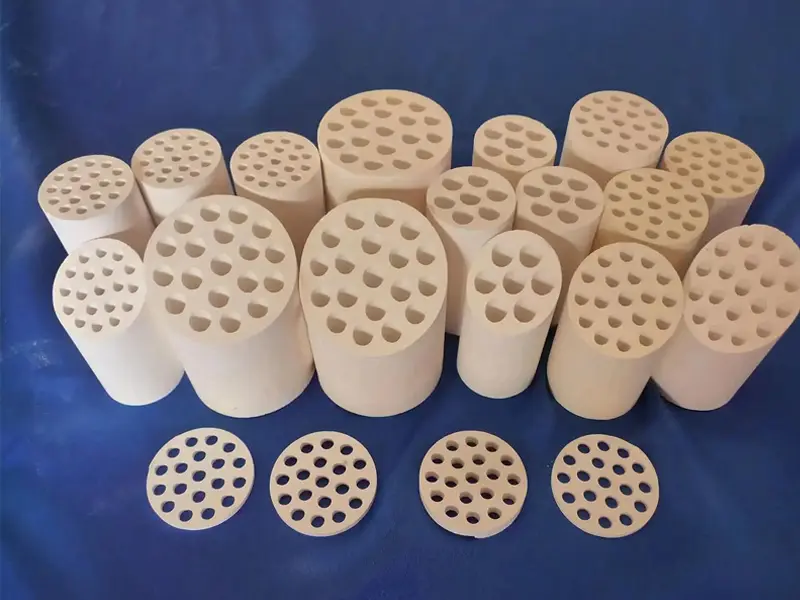
Ceramic filter cartridges are made primarily from high-quality raw materials such as alumina sand, aluminum oxide, silicon carbide, kyanite, and quartz, formed and sintered at high temperatures. The internal structure features a large number of uniformly distributed open pores, characterized by controllable micropore sizes, high porosity, and uniform pore distribution.
These filter elements offer low filtration resistance, excellent permeability, high temperature and pressure resistance, chemical and acid/alkali resistance, aging resistance, high mechanical strength, easy regeneration, and long service life. As filtration and purification materials, ceramic filter cartridges are widely used in chemical, petroleum, metallurgy, food, electronics, pharmaceutical, and water treatment industries, for applications such as solid-liquid separation, gas purification, water treatment, noise reduction, and aeration.
Ultrafiltration Spiral Membranes for Electrophoretic Coating Water
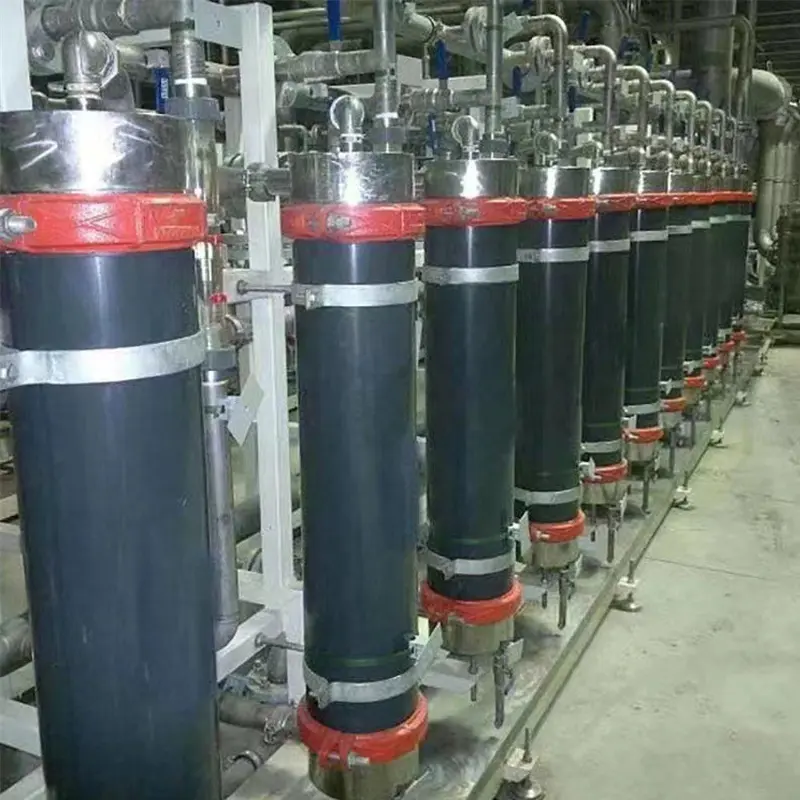
The electrophoretic coating ultrafiltration (UF) membrane element is the core component of the electrophoretic coating UF system. Its primary functions are:
Recovery of Electrophoretic Paint – It recycles paint rinsed from the workpiece surface. The recovered paint can be reused, helping companies save up to 30% on paint purchase costs while preventing environmental pollution caused by wastewater containing paint.
Production of UF Water for Rinsing – The ultrafiltrated water can be used to rinse workpieces in the electrophoretic coating bath. By appropriately discharging a portion of the UF filtrate, various ions introduced during production are removed, stabilizing the electrophoretic coating bath.
Advantages: High-quality membrane material with excellent chemical stability
Applications: Automotive manufacturing
Membrane elements available in various sizes and specifications
Related Articles
- Pre-ultra Filtration(UF) System Selection Based on Raw Water Quality Indicators (Turbidity/SDI/DOC)
- Introduction to UF Membrane Cleaning Procedure
- The Role of Terminal UF Membrane in Ultrapure Water Systems and Key Design Parameters
- Sharing a Design Calculation Example for an Ultrafiltration System
- Effect of Water Temperature on Permeate Flow of Ultrafiltration Water Treatment Systems and Operational Optimization
- PTFE vs PVDF Hollow Fiber UF Membranes: Revisiting Performance Boundaries and Applications
FAQ
What is molecular weight cut off ultrafiltration membranes ?
Molecular weight cut-off (MWCO) ranges from 1,000 to 200,000 Daltons, allowing solution concentration and separation through physical sieving.
How does it work?
It operates primarily on a sieving mechanism, using operating pressure and membrane pore size to purify water.
What is the membrane flux?
Typical flux: 20–100 LMH (liters per square meter per hour)
What is the UF membrane fouling?
The causes of membrane fouling in ultrafiltration systems include suspended solids, organic matter, microorganisms, and improper operation.
How to do the UF membrane cleaning?
Cleaning methods mainly include physical cleaning and chemical cleaning. Physical cleaning consists of hydraulic flushing and air cleaning, while chemical cleaning includes alkaline cleaning and acid cleaning.
What is UF membrane cleaning chemicals?
Common alkaline cleaning agents include sodium hydroxide (NaOH) solutions, typically at concentrations of 0.1%–1%. Common acidic cleaning agents include hydrochloric acid (HCl) and citric acid; HCl is usually used at 0.1%–0.5%, while citric acid is used at approximately 1%–3%.
Common disinfectants include sodium hypochlorite (NaClO) solutions and hydrogen peroxide (H₂O₂). The effective chlorine concentration in sodium hypochlorite solutions is typically 0.05%–0.5%, and hydrogen peroxide concentrations range from 0.1%–1%.
What is UF membrane filter function?
Provides functions such as purification, separation, and solution concentration.
UF membrane vs RO membrane?
Ultrafiltration (UF) Membranes: Capable of retaining macromolecules and proteins with sizes between 0.002–0.1 μm. The typical operating pressure of UF membranes ranges from 1 to 7 bar. They can be used independently for producing process water and potable water, or as pre-treatment for reverse osmosis (RO) feed water and for final polishing in high-purity water systems.
Reverse Osmosis (RO) Membranes: The most precise type of membrane separation product, capable of effectively retaining all dissolved salts and organic compounds with molecular weights greater than 100, while allowing water molecules to pass through.
What is its life?
The service life is influenced by various factors, including water quality, operating pressure, and temperature, and typically ranges from 2 to 5 years.
How to do UF membrane permeability calculation?
Permeability=Ultrafiltration permeate volume – backwash water volume) ÷ membrane area ÷ operating time