Lorem ipsum dolor sit amet, consectetur adipiscing elit. Ut elit tellus, luctus nec ullamcorper mattis, pulvinar dapibus leo.

RO Membrane

RO membrane Banner

RO Membrane Supplier

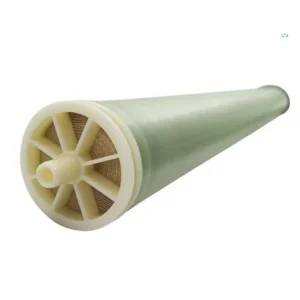
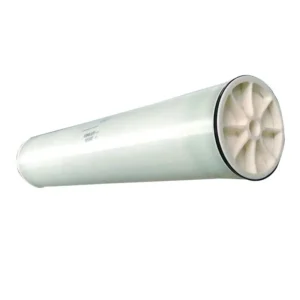
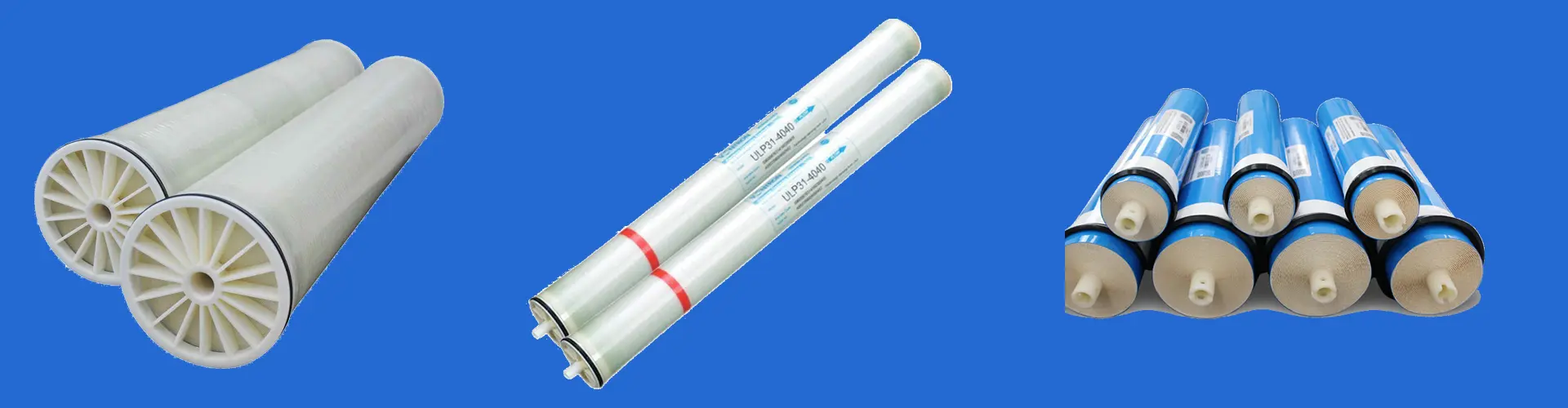
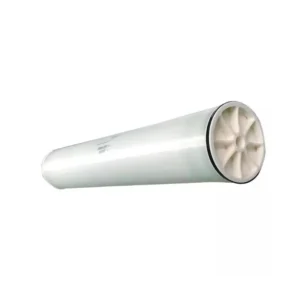
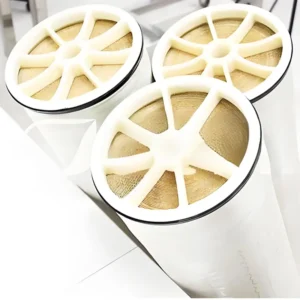
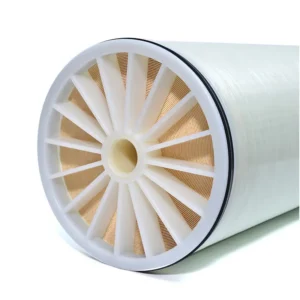
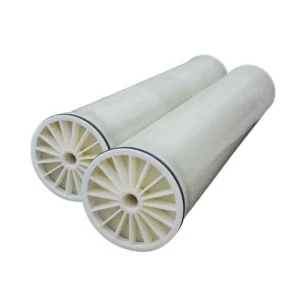
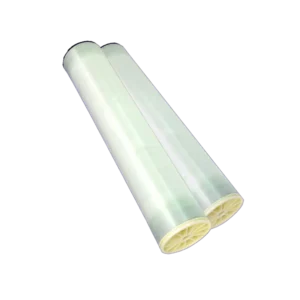
We offer high-performance RO membranes suitable for a wide range of applications, including homes, offices, restaurants, hotels, laboratories, and industrial water treatment systems. Whether you need small-scale residential filtration or large-scale industrial solutions, our membranes guarantee safe, clean, and high-quality water. We also provide OEM services, enabling tailor-made membranes to perfectly match your system’s requirements and specifications.

Clear Environment Provides You A Range of RO Membrane

Reverse Osmosis Membrane with High Quality

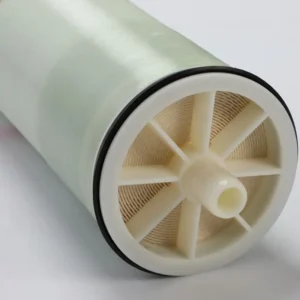
CLear Environment specializes in the research, development, production, and sales of RO membranes, membrane elements, and membrane systems, offering comprehensive application services for a wide range of industries. Our fully automated production lines can manufacture up to 23 million square meters of membranes and membrane elements annually. Membrane types, including industrial, commercial, and residential series. Our RO membranes are used in seawater and brackish water desalination, near-zero discharge wastewater treatment, water reuse, and material concentration & separation.

Production Equipment

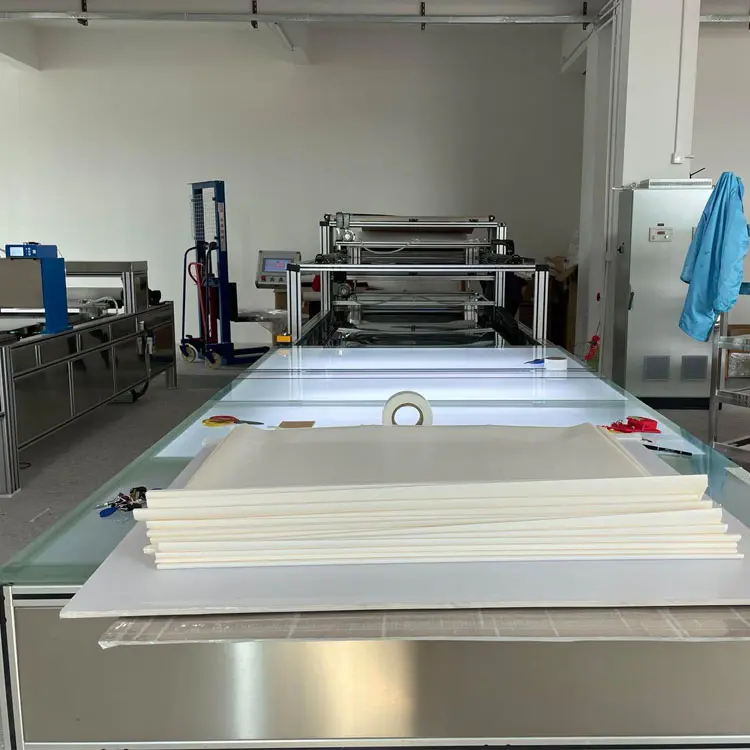
Membrane Cutting Machine

Reverse Osmosis cutting machine

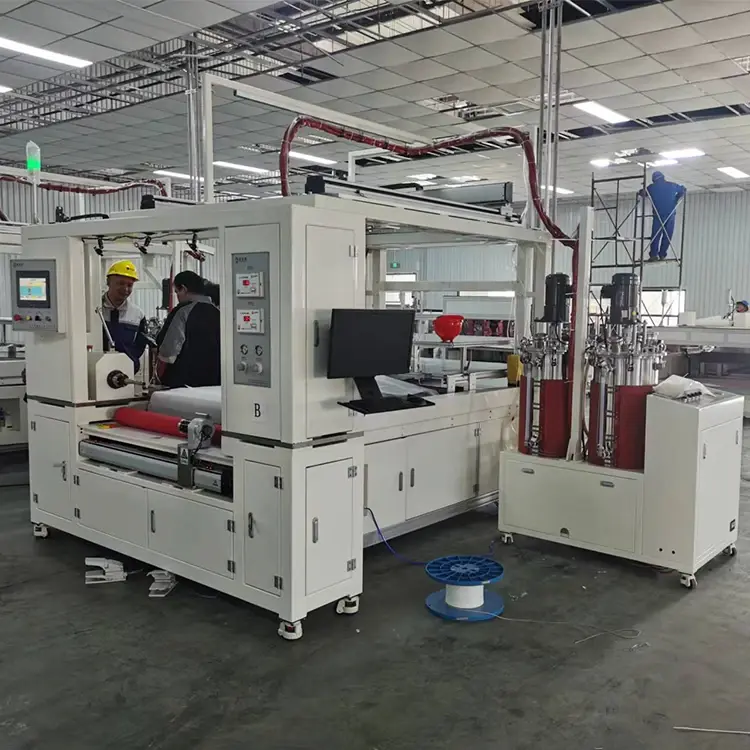
Membrane Rolling Machine

RO membrane Rolling equipment

Application Industries

Petrochemical

Power Generation & Petrochemical

Ultrapure Water Production and Reuse Boiler Feed Water Preparation
Metallurgy & Coal Chemical & Electroplating

Pure Water Production Industrial Wastewater Treatment
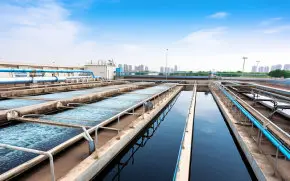
Paper Manufacturing & Textile & Dyeing

Reclaimed Water Reuse / Greywater Reuse Leachate and Industrial Wastewater Treatment for Standard Discharge / Treated Leachate and Wastewater Discharged to Meet Standards
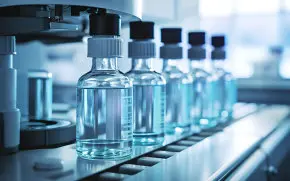
Biopharmaceutical Industry

Material Separation and Concentration
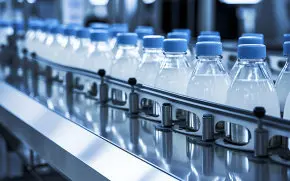
Food & Beverage & Dairy Products

Production of Pure Water

Municipal Water Supply

Seawater and Brackish Water Desalination Direct Drinking Water and Potable Water Production / Drinking Water Production
Related Articles

RO Membrane Selection & Design

RO Membrane Operation & Maintenance

Related Products

FAQ

How many types of RO membranes are there?

Based on raw water TDS, RO membranes are mainly classified into seawater desalination membranes, brackish water membranes, and tap water membranes.
Based on operating pressure, they are categorized as high-pressure membranes and low-pressure membranes.
Based on element size, the common formats include 2.5″, 4″, and 8″ membrane elements.

After thorough cleaning, disinfect the membrane by soaking or circulating it in a 0.1%–0.3% sodium hypochlorite solution or other suitable disinfectants. The disinfection time is generally 1–2 hours. After disinfection, soak the membrane in a 1%–2% sodium bisulfite solution, then seal and package it. The recommended storage temperature is between 5°C and 40°C. The membrane should be inspected every 1–2 weeks, and the preservative solution should be checked and replaced regularly.

Chloride ions themselves generally do not directly affect reverse osmosis membranes as contaminants. However, their oxidizing forms (such as free chlorine, including hypochlorous acid and hypochlorite) may cause oxidative damage to RO membranes. These oxidants can lead to oxidative degradation of RO membrane materials, particularly the polyamide layer, thereby affecting membrane performance and increasing the risk of fouling.

The mainstream reverse osmosis membrane materials on the current market can be mainly classified into three types: cellulose acetate (CA) membranes, thin-film composite polyamide (TFC) membranes, and polysulfone (PS) membranes. Among them, TFC polyamide membranes dominate the market, accounting for more than 80% of the total market share due to their excellent overall performance.

Pore size < 0.0001 μm (sub-nanometer scale, approximately 0.5–1 nm), allowing only water molecules to pass through.

The salt rejection rate of RO membranes is generally around 95%–98%. Since feed water quality varies, the TDS of the permeate also differs accordingly.
For example, if the feed water TDS is 100 ppm and the RO membrane rejection rate is 97%, the permeate TDS will be approximately 3 ppm. If the feed water TDS is 900 ppm with the same 97% rejection rate, the permeate TDS will be around 27 ppm.
Therefore, RO treatment does not always result in very low TDS values. The permeate TDS is highly dependent on the feed water quality.

Residential water purifiers: Replacement every 1–3 years
Industrial or commercial applications: 3–5 years

Acidic cleaners: When the membrane surface is primarily fouled by inorganic scaling (such as calcium carbonate, calcium sulfate, etc.), acidic cleaners are typically used. Common acidic cleaners include citric acid and hydrochloric acid.
Alkaline cleaners: Used to remove organic matter, microorganisms, colloids, and other contaminants. For example, a mixed solution of sodium hydroxide and sodium carbonate is commonly applied.

Shut down the system, stop the water supply and open the pressure relief valve to release pressure.
Remove the plug from the end of the membrane housing (usually 32 mm). Then, use a hex wrench to remove the screws and baffle.
Attach the membrane extractor to the 32 mm external thread. Push the stainless steel baffle to the bottom. It is recommended to use two steel plates arranged in a cross shape, and manually tighten the screws.
Slowly and carefully tighten the extractor using an adjustable wrench. Do not apply excessive force, as this may tilt the membrane housing.
When you hear a “pop” sound, it indicates that the membrane connector has separated from the RO membrane. Gently remove the membrane housing by hand.

Scroll to Top

Send your inquiry today