
Reverse osmosis (RO) is one of the most widely used technologies in modern water treatment systems. However, the performance and lifespan of RO membranes can be significantly affected by scale formation caused by dissolved minerals such as calcium, magnesium, and silica. Proper antiscalant dosing is one of the most effective methods for preventing scaling, maintaining system performance, and extending membrane life.
This guide explains the principles behind RO membrane antiscalant dosing, provides practical calculation methods, and walks through real-world dosing examples.
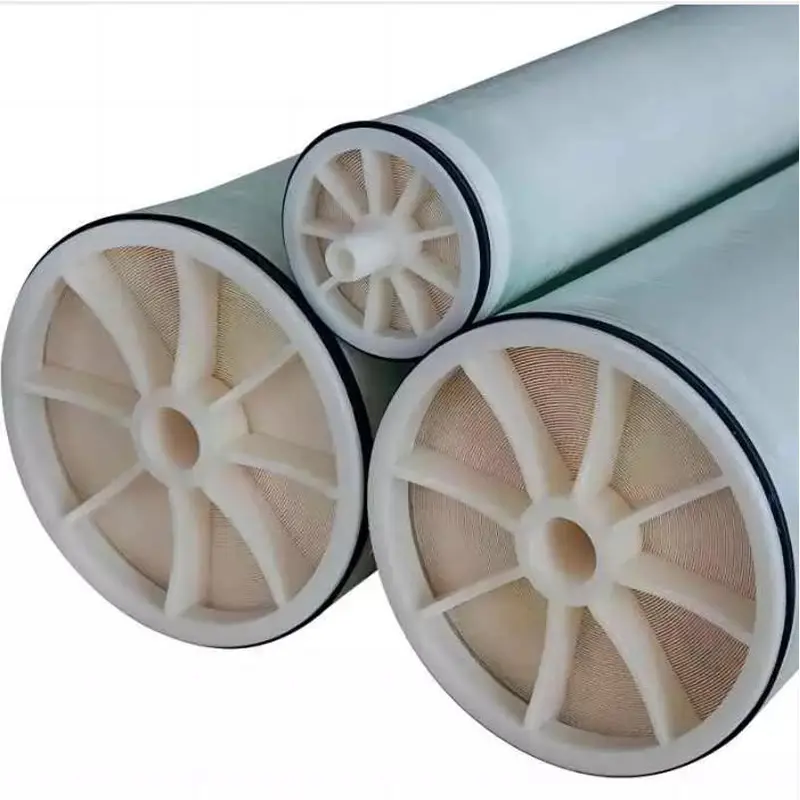
How Antiscalants Work
Antiscalants are specialized chemicals designed to prevent the precipitation and deposition of sparingly soluble salts on membrane surfaces. They work through several mechanisms, including crystal distortion, dispersion, and threshold inhibition.
Key benefits of antiscalant dosing include:
- Reducing scale formation on RO membranes
- Extending membrane service life
- Improving overall system recovery and efficiency
- Eliminating or minimizing the need for acid dosing
- Compatibility with a wide range of membrane types, including TFC and CA membranes
How to Calculate Antiscalant Consumption
Parameter Definitions
Feed Flow Rate (Q)
The feed flow rate is typically 1.3–1.5 times the permeate production rate. For example, if the RO system produces 75 m³/h of permeate, the feed flow rate is usually around 100 m³/h.
Dosage Rate (S)
Most antiscalants are dosed between 3 and 8 ppm, depending on feed water quality and system design.
Operating Time (H)
The number of hours the system operates each day, often 24 hours for continuous industrial applications.
Calculation Example
Assume an RO system operates under the following conditions:
- Permeate production: 75 m³/h
- Feed flow rate: 100 m³/h
- Antiscalant dosage: 3 ppm
- Operating time: 24 hours/day
- Operating days: 30 days/month
Monthly Consumption = 100 × 3 × 24 × 30 ÷ 1000
Monthly Consumption = 216 kg
Therefore, approximately 216 kg of antiscalant is required per month.
Weekly or Daily Consumption
The same calculation can be used for shorter periods by adjusting the operating days.
For the example above:
- Weekly consumption ≈ 216 ÷ 4 = 54 kg
- Daily consumption ≈ 216 ÷ 30 = 7.2 kg
Antiscalant Dosing Method
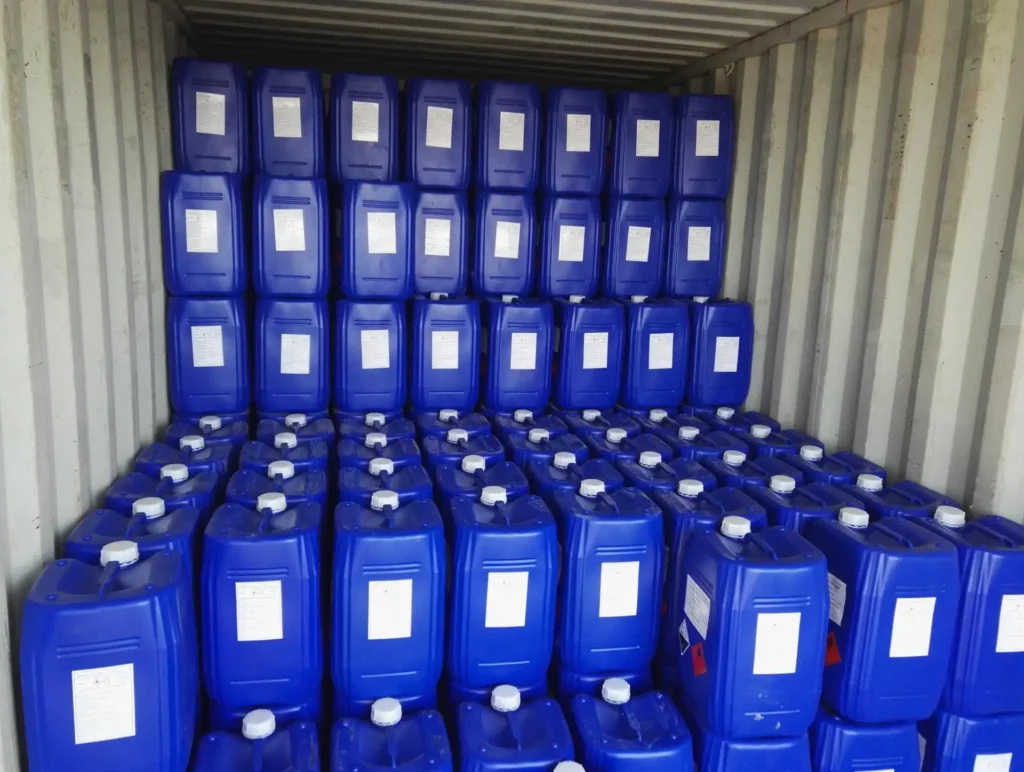
Recommended Injection Point
Antiscalant should be injected upstream of the cartridge filter using a chemical dosing pump. This allows sufficient mixing before the water enters the RO membrane system.
Chemical Preparation
Most liquid antiscalants can be used directly from the container. If dilution is required, the dilution ratio should generally not exceed 10:1, while maintaining a solution concentration above 10%.
Example:
- 25 kg antiscalant
- 125 kg RO permeate water
This produces approximately 150 liters of diluted solution at a 6:1 dilution ratio.
For operational convenience, it is generally recommended to prepare enough solution for 5–7 days of operation.
Dosing Pump Adjustment
The required chemical injection rate can be calculated using:
Chemical Feed Rate (g/min) = Feed Flow Rate (m³/h) × Dosage (ppm) ÷ 60
Example:
- Feed flow rate: 2.5 m³/h
- Dosage: 2 ppm
Required antiscalant feed:
2.5 × 2 = 5 g/h
If the diluted solution concentration is 20 g/L, the dosing pump should be adjusted to approximately 0.25 L/h.
Factors Affecting Antiscalant Dosage
Several factors influence the required dosing rate:
Feed Water Quality
Higher hardness, elevated silica concentrations, or increased sulfate levels generally require higher antiscalant dosages.
System Operating Conditions
Parameters such as recovery rate, temperature, and pH directly affect scaling potential and dosing requirements.
Antiscalant Type
Different antiscalant formulations have different recommended dosage ranges. Always follow the supplier’s technical guidelines and dosing recommendations.
Common Mistakes and Best Practices
Avoid Overdosing
A common misconception is that more antiscalant provides better protection. Excessive dosing can increase operating costs and may contribute to membrane fouling in some situations.
Monitor and Optimize Regularly
Feed water quality can change over time. Routine water analysis and periodic review of operating conditions help ensure the dosing rate remains optimized.
Many engineers also use RO projection software to evaluate scaling potential and fine-tune antiscalant dosing requirements.
Conclusion
Accurate RO membrane antiscalant dosing is essential for maintaining reliable system performance and protecting valuable membrane assets. By understanding the calculation methods, proper injection procedures, and factors affecting dosage requirements, operators can minimize scaling risks while reducing chemical consumption.
For critical applications, dosing recommendations should always be verified against feed water analysis and system design data to ensure optimal performance.
Related Articles
- Characteristics of Reverse Osmosis Membrane Fouling and Reverse Osmosis Membrane Cleaning Methods
- RO Plant in Dialysis: A Detailed Guide to the Reverse Osmosis System
- RO Plant for Dialysis: A Detailed Guide to the Pretreatment System
- How to Design a Dialysis Water Distribution Loop When a 40-machine Center Opens with Only 10 Machines
- Vertical vs Horizontal RO Membranes: Does Installation Orientation Matter?
- Optimizing Circulating Cooling Water Systems Using Reverse Osmosis Membrane Filtration Permeate
- Control and Prevention of Silica Fouling on RO Membranes
- RO System Design: Series Staging or Concentrate Recirculation for Small RO Systems?
- Winter Maintenance Tips for Water Vending Machines
- Small Reverse Osmosis Plant Process Details (0.5m3/Hour)
- Besides reverse osmosis membrane flux, what other key design parameters are easily overlooked but can significantly impact membrane life?
- NF Membrane VS RO Membrane VS Forward Osmosis Membrane
- How to Calculate Recovery Rate RO System?
- Relationship Between RO Membrane Element Pressure Limits and Recovery Rate in Water Reuse and Zero Liquid Discharge Applications
- How to Choose RO Membranes from China: 3 Key Factors to Consider