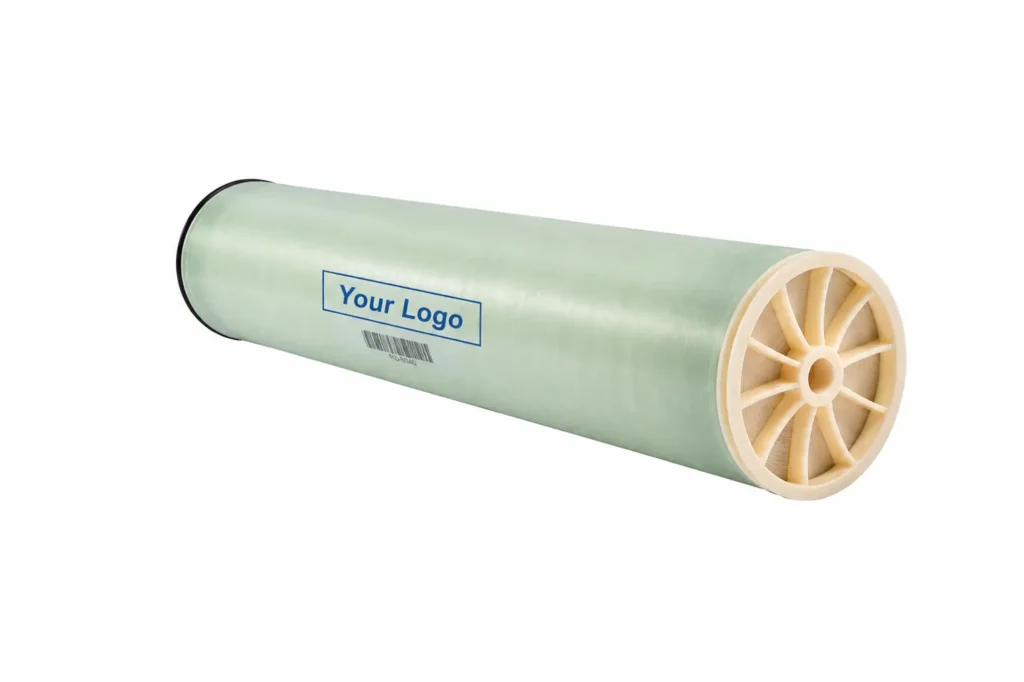
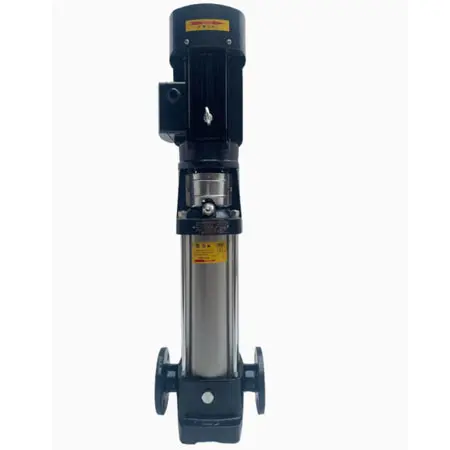
Reverse Osmosis System for Dialysis
In hemodialysis treatment, water quality is directly related to patient safety. During a single dialysis session, a patient’s blood comes into contact with hundreds of liters of dialysate, and more than 90% of the dialysate consists of water. If the water contains bacteria, endotoxins, heavy metals, or chemical contaminants, it may lead to fever, infection, hemolysis, or even serious complications. Therefore, dialysis centers must use highly purified water that has undergone strict treatment processes.
This is where a Reverse Osmosis System for Dialysis plays a critical role in dialysis water treatment. By removing dissolved solids, microorganisms, and other contaminants, an advanced RO system helps provide a stable and reliable purified water supply for hemodialysis applications.
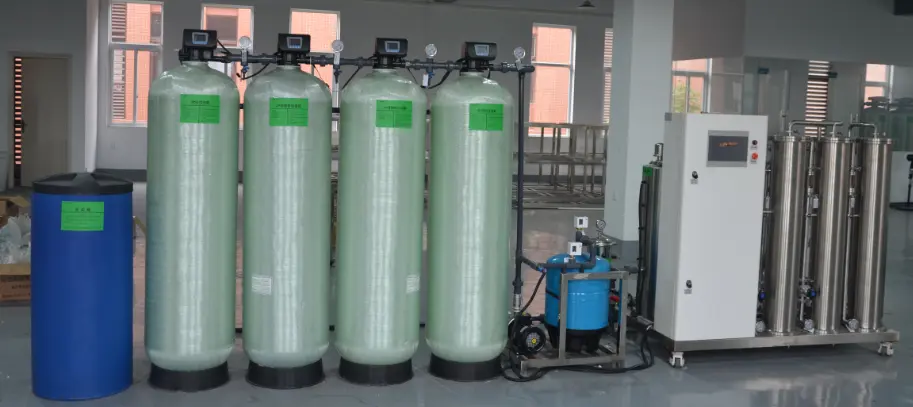
Back/front of Reverse Osmosis System for Dialysis
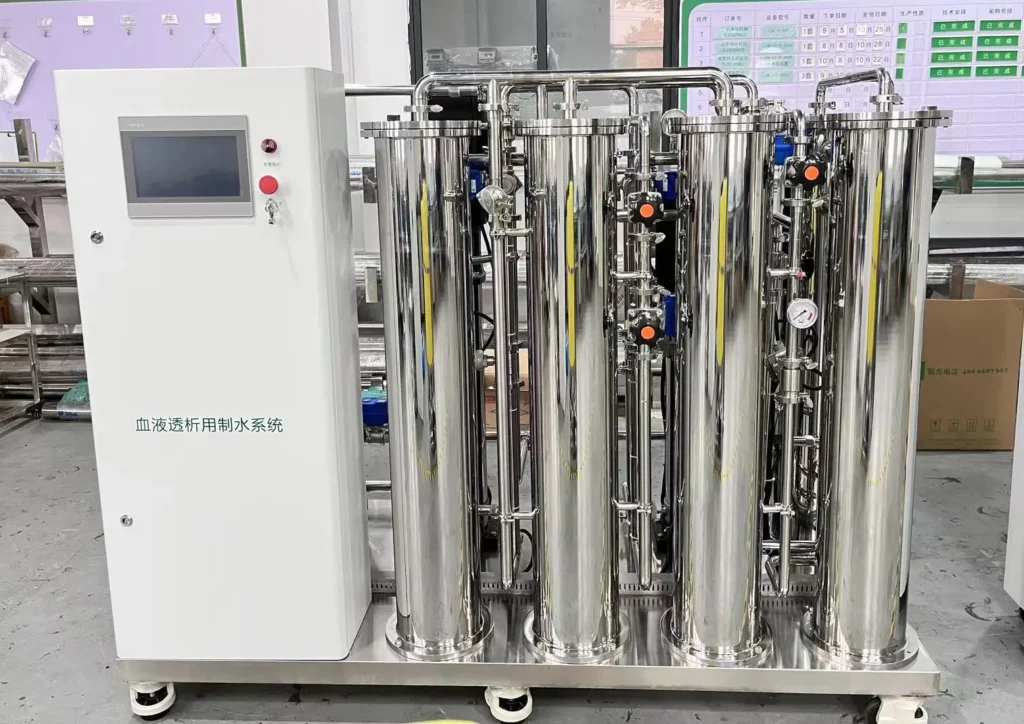
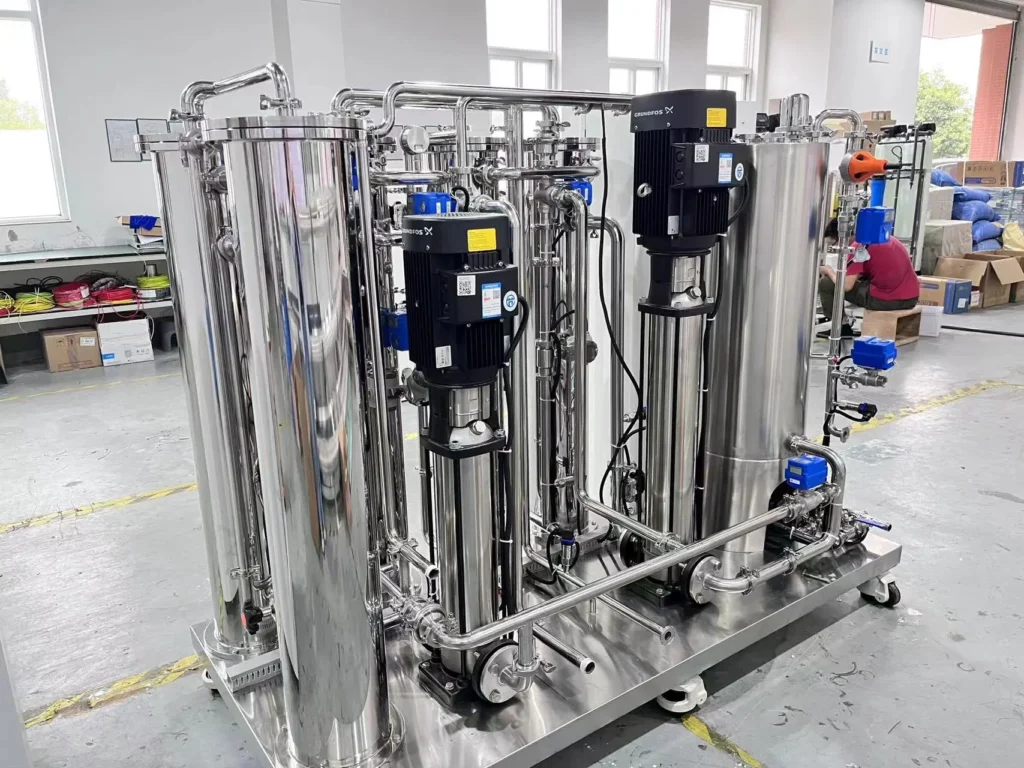
Reverse Osmosis Plant for Dialysis produced water complies with the standards for water used in haemodialysis and related therapies. The total bacterial count in dialysis water shall not exceed 100 CFU/mL; The endotoxin content in dialysis water shall not exceed 0.25 EU/mL.
Features of Reverse Osmosis System for Dialysis
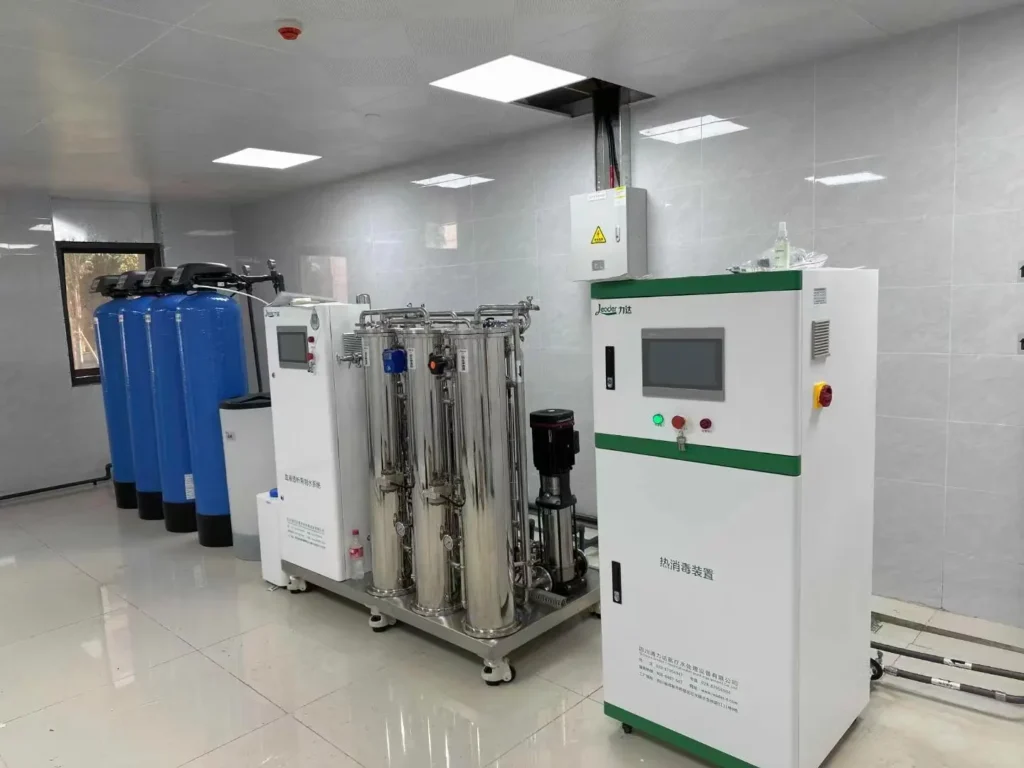
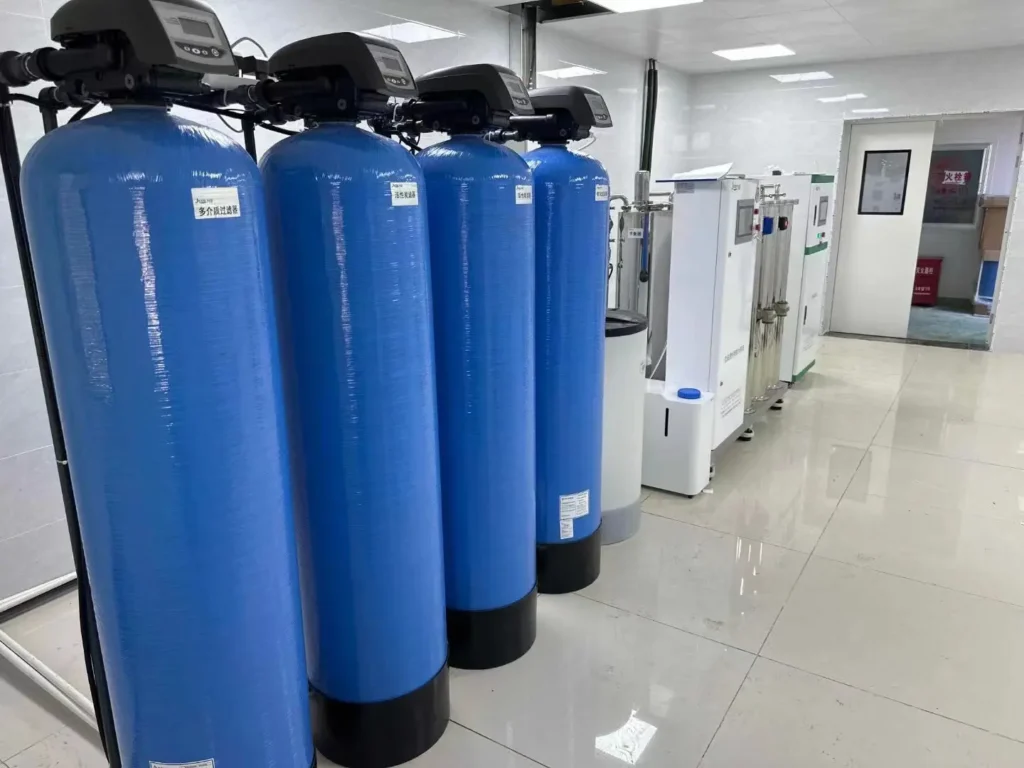
1200LPH Double Pass RO Water Treatment plant for Dialysis
- Variable frequency control for raw water supply:
Automatically adjusts pump speed according to water demand and raw water pressure, ensuring stable operation of the pretreatment system. - Double Pass RO process:
The first and second-stage RO units are directly coupled to provide high-quality purified water with stable performance. - High-performance RO membrane elements:
Equipped with imported RO membranes featuring low operating pressure, high permeate flow and excellent salt rejection. - Multiple safety protections:
Integrated with high-pressure protection, low water level protection, short circuit protection, overload protection, phase failure protection and automatic fault alarms. - Emergency water supply mode:
Allows independent operation of either the first-stage or second-stage RO unit during emergencies without manual valve switching. - High-quality SUS304 piping system:
The RO skid uses SUS304 stainless steel piping with automated welding technology to ensure reliable quality and full traceability. - Automatic disinfection system:
One-button operation for chemical dosing, circulation, soaking and flushing. Users can schedule disinfection cycles according to actual operating conditions. - Real-time data monitoring and recording:
Continuously records key operating parameters, including water quality, flow rate and operating pressure, with data analysis functions. - Leak detection and warning system:
Equipped with an automatic water leakage detection system to improve operational safety.
Dialysis RO Plant Diagram
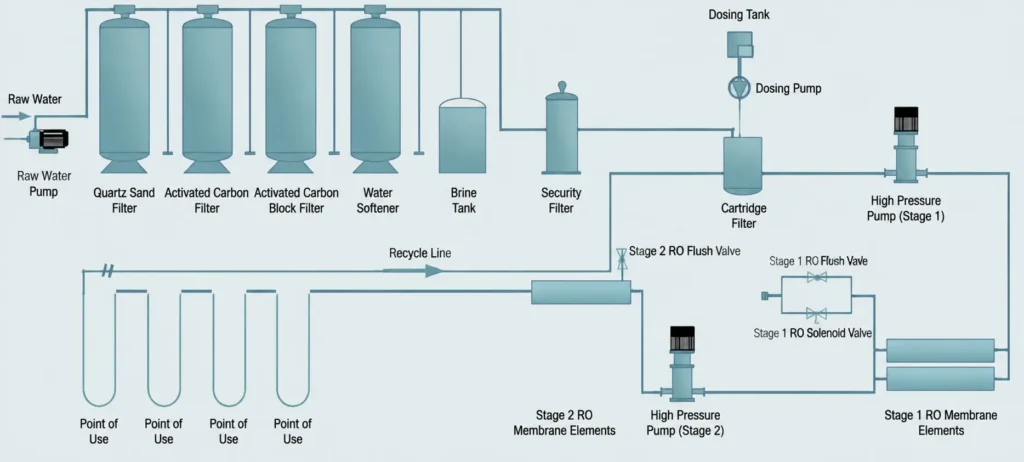
Pretreatment System
The pretreatment system typically includes multimedia filtration, water softening, and activated carbon filtration. These treatment stages work together to remove suspended particles, iron and manganese, calcium and magnesium hardness, as well as residual disinfectants such as chlorine and chloramine from the feed water. After pretreatment, the water is suitable for further purification by the high-performance reverse osmosis system.
Reverse Osmosis System
The reverse osmosis system is the core and most critical purification stage of a dialysis water treatment system. RO membranes provide a very high level of separation and can remove the vast majority of dissolved and suspended contaminants, microorganisms, bacteria, and viruses from the feed water, producing high-purity permeate water for dialysis applications.
Water Distribution to Dialysis Machines
The purified water produced by the RO system is delivered through the main distribution pipeline. At each dialysis station, a branch pipe connects the distribution line to the water inlet of the dialysis machine, providing a continuous supply of treated water during dialysis.
Continuous Loop Distribution
Unlike ordinary domestic drinking water systems, dialysis water treatment systems require much stricter control of water purity and microbiological quality.
For this reason, the treated water distribution pipeline is normally designed as a continuous loop. After supplying water to the dialysis machines, the water returns through the distribution loop to the RO system or designated treatment point for recirculation and further treatment.
Continuous circulation helps minimize stagnant sections and dead ends in the distribution piping, reducing the potential for microbial growth and helping maintain consistent water quality throughout the dialysis water distribution system.
Hemodialysis Reverse Osmosis System Optional Functions:
- Dead-space-free small circulation device;
- Online total chlorine monitoring;
- Online hardness monitoring;
- Remote control; remote monitoring available via mobile terminals.
- Internet remote control technology supports multi-point remote monitoring. The mobile APP enables real-time inspection of system operating conditions for safe and convenient operation.
- Pipeline thermal disinfection function.
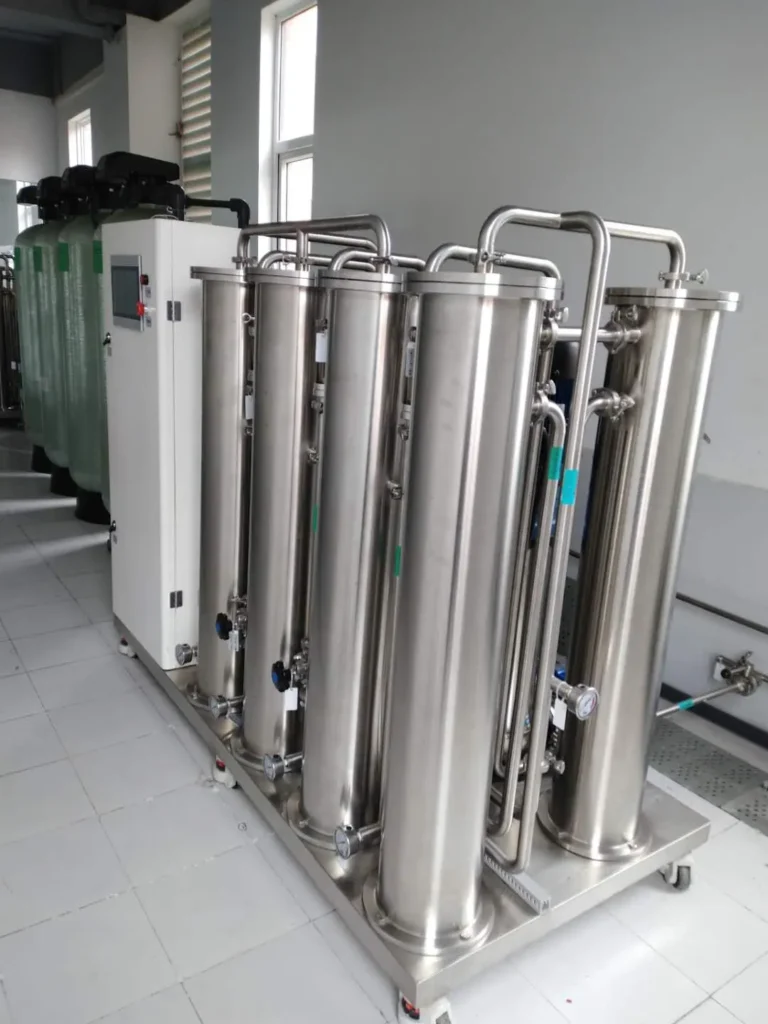
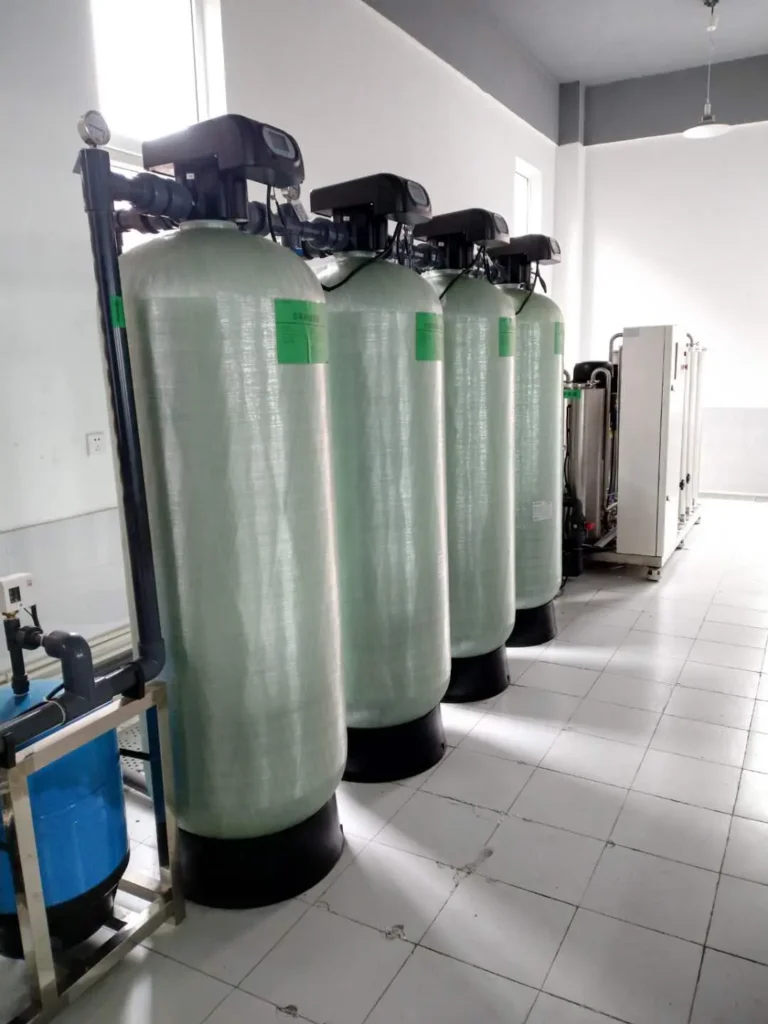
More RO Plant for Dialysis Unit
Disinfection of Reverse Osmosis System for Dialysis
Regular disinfection is essential to control bacteria and endotoxin levels in dialysis RO water systems. When bacteria count exceeds 50 CFU/ml or endotoxin exceeds 0.125 EU/ml, system disinfection should be performed.
Disinfection includes:
RO unit disinfection
Dialysis water distribution loop disinfection
The main methods are thermal disinfection and chemical disinfection.
Thermal Disinfection
Water distribution pipelines: 85–92°C, holding time >20 minutes
Chemical Disinfection
Common disinfectants include peracetic acid and dedicated RO system disinfectants.
Chlorine-based disinfectants should not be used for composite RO membranes, as oxidizing agents may damage membranes.
After chemical disinfection, the system must be fully flushed and disinfectant residues must be tested before dialysis use:
Peracetic acid residue: <1 mg/L
Total chlorine: <0.1 mg/L
If the system has been stopped for 72 hours or longer, complete disinfection of both the RO unit and distribution loop is required before operation.
Reverse Osmosis System for Dialysis Daily Maintenance
The dialysis ro water system is the core of dialysis wards; preventive maintenance instead of breakdown repair is required.
1. Pre-treatment Maintenance Rules
Sand filter: Backwash monthly for 10–15 mins.
Activated carbon: Replace every 3–6 months to avoid bacterial breeding.
Softening resin: Regenerate with brine every 3–6 months to prevent membrane scaling.
PP fine filter: Replace every 1–3 months to stabilize RO inflow pressure.
2. RO Host Key Checks
RO membrane: Replace every 2–3 years; service life relies on pre-treatment effect.
Pumps & valves: Inspect yearly; guarantee unobstructed wastewater valve.
Record front/back membrane pressure weekly; differential pressure shall not exceed 0.2 MPa.
3. Main Inspection Schedule
Daily: Residual chlorine & hardness test
Weekly: Sand filter backwashing, bacteria & endotoxin test
Monthly: Calculate desalination rate
Quarterly / Semi-annually: Replace filters, clean water tank
Every 2–3 years: Change RO membranes
4. Three Maintenance Principles
Prevention is better than emergency repair to avoid dialysis suspension and patient risks.
Keep complete maintenance logs for objective fault prediction.
Entrust professional technicians to conduct regular system maintenance.
If you need ro plant for dialysis cost, just send us inquiry. Explore more of medical water treatment system, please visit the link.
Related Articles
Hemodialysis RO System Related Product