Nanofiltration Membrane

Nanofiltration Membrane Suppliers
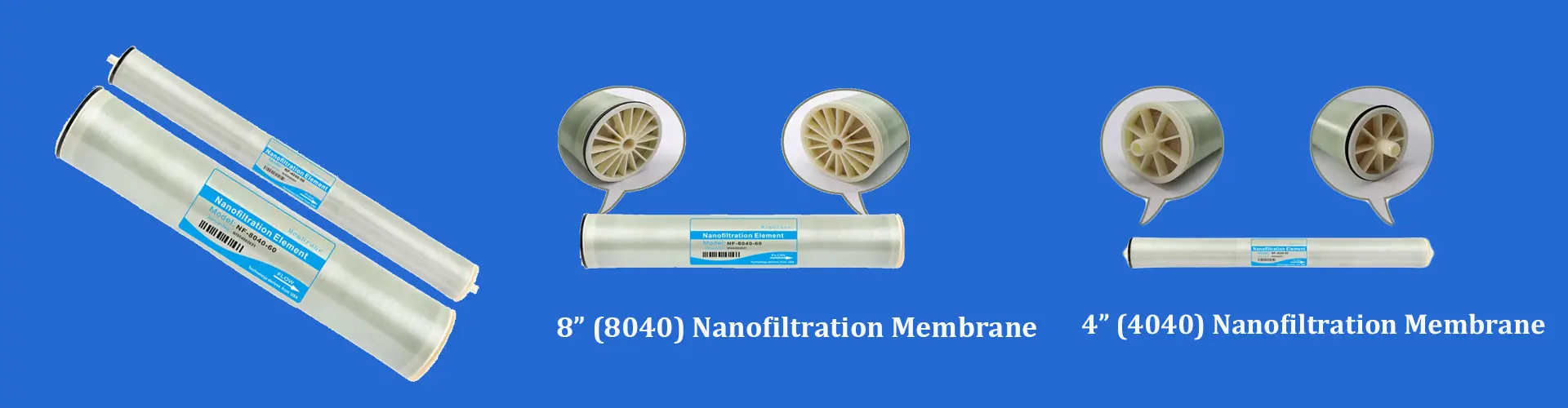
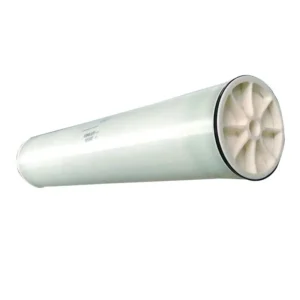
Nanofiltration membrane is a pressure-driven membrane separation technology with a typical operating concentration of 1.5% and a filtration precision of 0.001 microns. One of the most distinctive characteristics of a nanofiltration membrane is that the membrane material itself carries an electric charge. It mainly removes solute particles with a diameter of around 1 nanometer, which is why it is named “nanofiltration membrane.”
Nanofiltration membranes are mostly derived from reverse osmosis membranes and represent a membrane separation process positioned between reverse osmosis and ultrafiltration. They are designed to retain nano-scale particles in water. Compared with reverse osmosis, nanofiltration operates at a lower pressure, and therefore it is often referred to as “low-pressure reverse osmosis.”
Applications: Nanofiltration membranes are generally used to remove organic matter and color from surface water, reduce hardness and radium in groundwater, and partially remove dissolved salts.
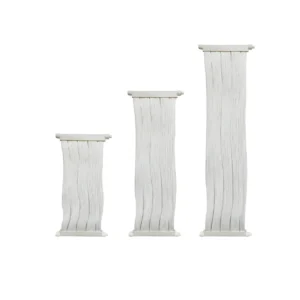
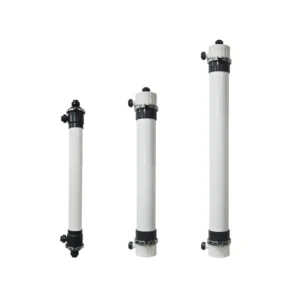
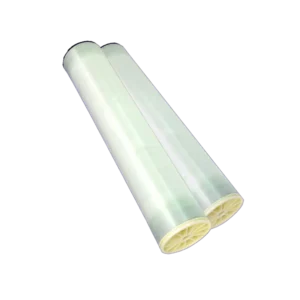
Clear Environment Provides You Diverse Nanofiltration Membrane
Application of Nanofiltration Membranes

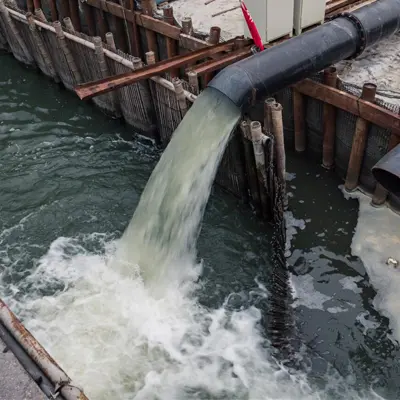
Industrial Wastewater Treatment
Applicable to the treatment of industrial wastewater from textile, dyeing, papermaking, electroplating, and other industries. By retaining organic matter, heavy metal ions, and other pollutants in the wastewater, it enables compliant discharge or reuse, achieving energy-saving and emission-reduction objectives.

Seawater Desalination
As one of the key technologies for pretreatment or advanced treatment in seawater desalination, nanofiltration membranes can remove most salts, organic matter, and microorganisms from seawater. This reduces the operating pressure and energy consumption of subsequent reverse osmosis desalination systems, improving the overall efficiency and stability of the desalination process.

Food and Beverage Industry
Widely applied in juice concentration, milk sterilization, beer clarification, and sugar refining. For example, in juice concentration, it can remove water while retaining the natural flavor and nutritional components of the juice, thereby increasing its concentration and stability.
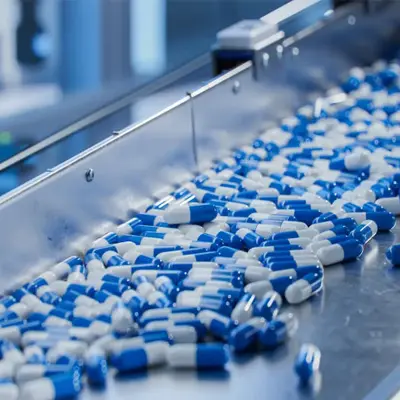
Pharmaceutical Industry
Commonly used for the separation and purification of pharmaceutical intermediates, concentration and refinement of antibiotics, and the separation of proteins and peptides in biopharmaceutical processes. Organic solvent nanofiltration membranes effectively removes impurities, improves drug purity and quality, reduces the use of organic solvents.
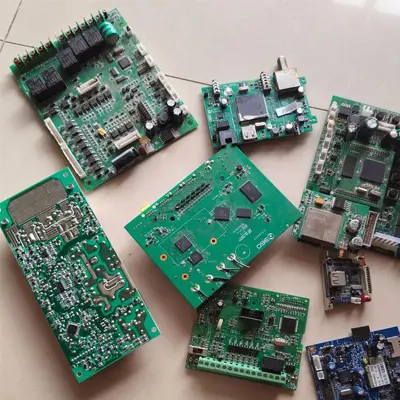
Electronics Industry
Used in ultrapure water production for electronic chip manufacturing, effectively removing trace heavy metal ions, organic contaminants, bacteria, and other impurities from water. This meets the extremely stringent water quality requirements of the electronics industry and ensures the precision and quality of chip fabrication.

Petrochemical Industry
Plays a role in treating oily wastewater during petroleum refining and in the separation and purification of chemical products. For example, during the refining of lubricating base oils, nanofiltration membranes can remove impurities such as aromatics and gums, thereby improving the quality and performance of the base oil.
Types of Nanofiltration Membranes

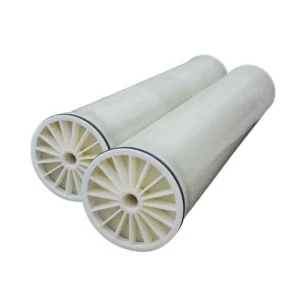
Spiral Wound Membranes Nanofiltration
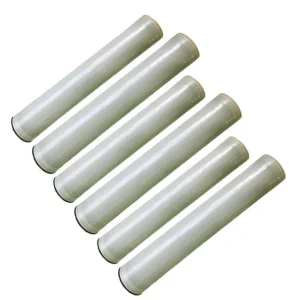
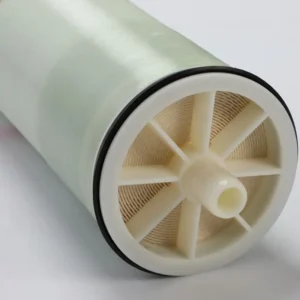
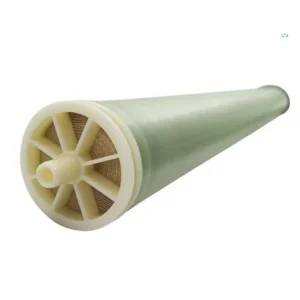
Materials: Polyamide, sulfonated polyethersulfone, and sulfonated polysulfone. These are spiral-wound nanofiltration membrane elements designed for precise molecular weight retention, featuring a compact structure with an optimized surface area-to-volume ratio.
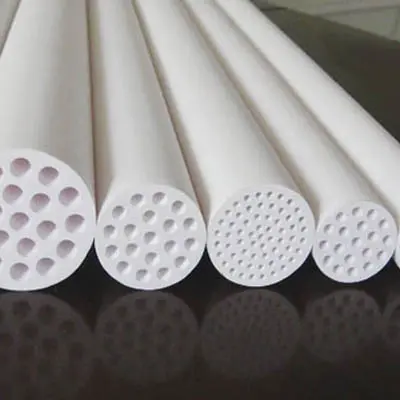
Ceramic Nanofiltration Membrane
Made from inorganic materials through high-temperature sintering. The ceramic membrane nanofiltration offer high mechanical strength and excellent chemical stability, featuring resistance to high temperatures, acids and alkalis, pressure, and abrasion. Strong stability against organic solvents.
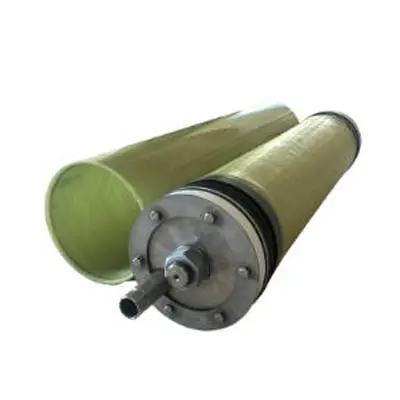
Tubular Membranes Nanofiltration
Pressure resistance of tubular nanofiltration membrane can reach 75 bar, 90 bar, 120 bar, and 160 bar, allowing for higher recovery rates in high-concentration systems.It represents a significant advancement in flat-sheet membrane module technology.
Nanofiltration Membrane Market
The drivers of market growth include increasingly severe water scarcity, stricter discharge regulations, and rising industrial demand for high-quality process water. Governments worldwide are investing in seawater desalination and wastewater reuse projects, further promoting the adoption of nanofiltration membranes. The food and beverage industry has boosted demand for nanofiltration membranes in dairy processing, juice concentration, and sugar refining. Additionally, pharmaceutical and biotechnology companies use nanofiltration membranes for solvent recovery and raw material purification. Compared with reverse osmosis, nanofiltration membranes offer lower operating costs and higher energy efficiency, making them attractive to both municipal and industrial users. Together, these drivers strengthen the long-term role of nanofiltration membranes in global water solutions.
Membrane Nanofiltration System

FAQ of Nanofiltration Membrane
What is nanofiltration membranes definition?
It is a functional semipermeable membrane that allows solvent molecules or certain low-molecular-weight solutes or low-valence ions to pass through. It is a special and promising type of separation membrane, named “nanofiltration membrane” because it can retain substances approximately at the nanometer scale.
What is NF membranes pore size?
With a pore size above 1 nm, typically 1–2 nm
What is NF membranes pore size?
With a pore size above 1 nm, typically 1–2 nm
Ultrafiltration membrane vs nanofiltration?
UF removes larger molecules, colloids, and particles (pore size ~0.01–0.1 µm), mainly for suspended solids and bacteria. NF has smaller pores (~1–2 nm), removing small organic molecules and multivalent ions, while allowing water and monovalent salts to pass.
Which membrane has the smallest pore spaces microfiltration or nanofiltration?
Nanofiltration
What is nanofiltration membrane systems?
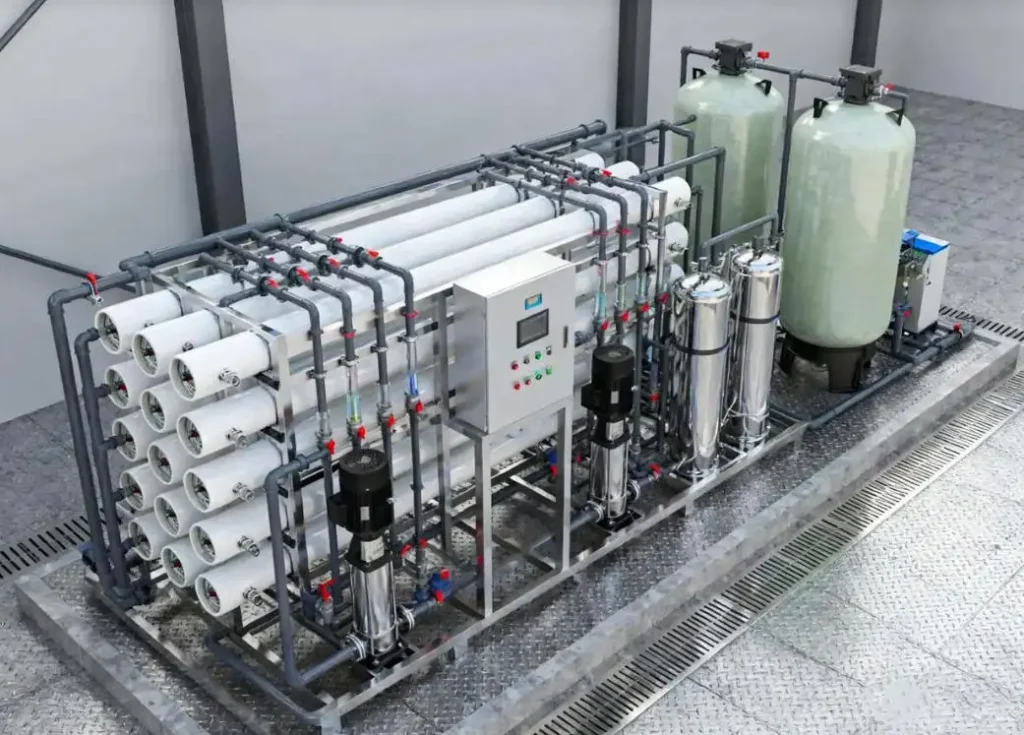
Its core lies in using the selective separation properties of nanofiltration membranes to achieve precise filtration of different substances in water. A nanofiltration membrane system typically consists of a pretreatment unit, high-pressure pump, membrane modules, cleaning system, and control system.
What is nanofiltration membrane systems?
Its core lies in using the selective separation properties of nanofiltration membranes to achieve precise filtration of different substances in water. A nanofiltration membrane system typically consists of a pretreatment unit, high-pressure pump, membrane modules, cleaning system, and control system.
How do NF membranes work?
The working principle is pressure-driven separation, using the membrane’s selective properties to separate solutes from the solvent in a solution.
What is NF membrane operating pressure?
Generally ranges from 0.5 to 2.0 MPa.