Electrodeionization System​

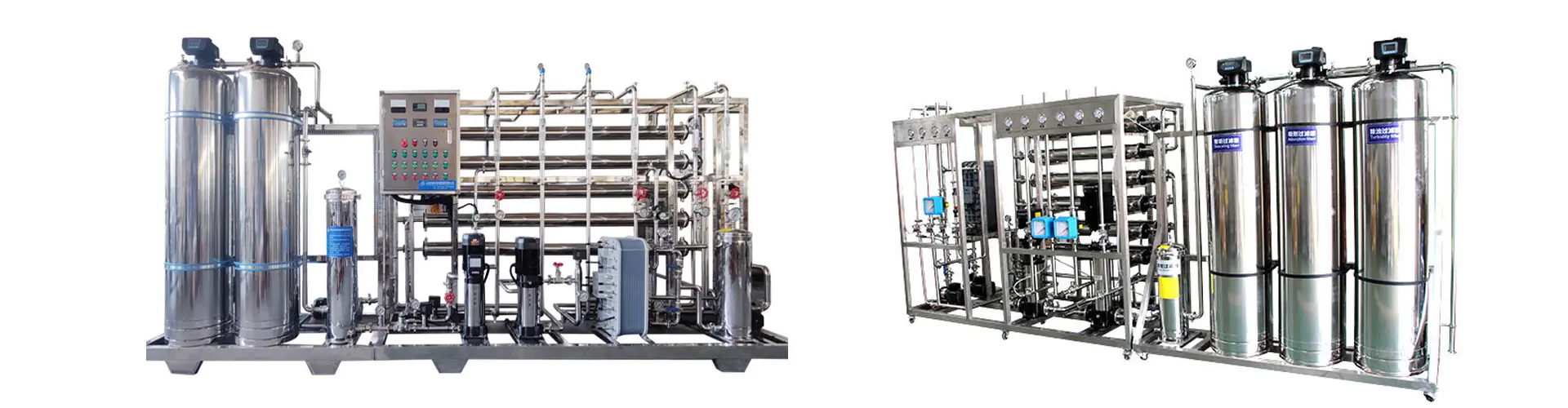
electrodeionization system banner

EDI Electrodeionization System Supplier

The EDI ultrapure water treatment equipment, also known as an electrodeionization system, is a new-generation ultrapure water production technology that integrates electrodialysis membrane separation with ion exchange technology.

The EDI unit belongs to the polishing stage of water treatment systems and is commonly used in combination with reverse osmosis (RO) to form a complete ultrapure water system consisting of pretreatment, RO, and EDI, replacing traditional mixed-bed ion exchange systems. The required feed water resistivity for EDI ranges from 0.025 to 0.5 MΩ·cm, which can be achieved by RO systems. The electrodeionization system is capable of producing ultrapure water with resistivity exceeding 15 MΩ·cm. For high-purity water applications, considering water quality, performance, operation, operating costs, and environmental impact, the RO + EDI process is an ideal solution.

Clear Environment Provides You Diverse Electrodeionization System

edi system for lab

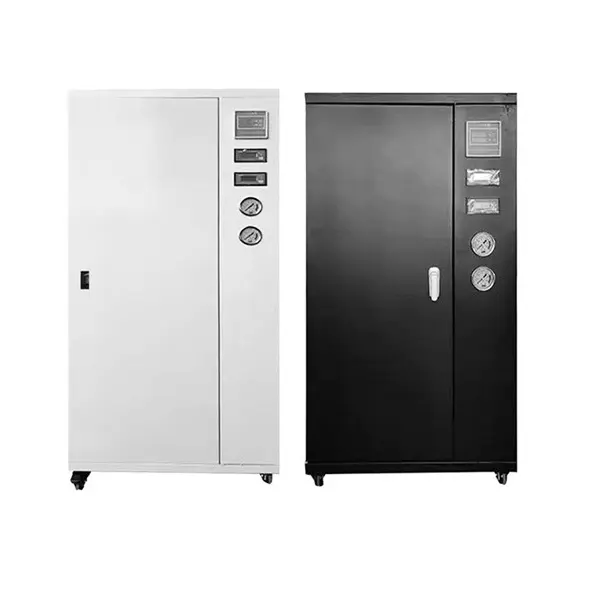
Lab Electrodeionization EDI System

Small capacity: 50L, 100L, 150L, 200L, 250L, treating process 2 stage RO + EDI, for hospital, university and lab, producing ultrapure water with resistivity exceeding 15 MΩ·cm
cosmetic EDI Plant

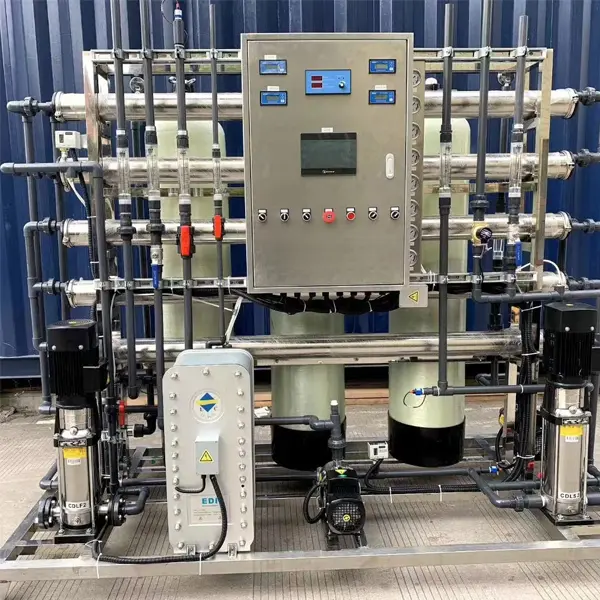
EDI Plant for Cosmetic Production

EDI technology is a modern water treatment technology. In cosmetic manufacturing, high-purity water is a critical raw material, as it ensures the stability and quality of cosmetic.
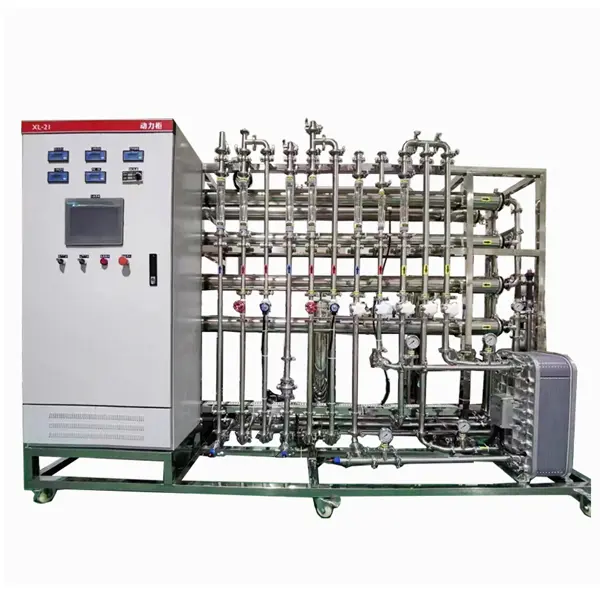
Pharmacopoeial EDI Plant Water Treatment
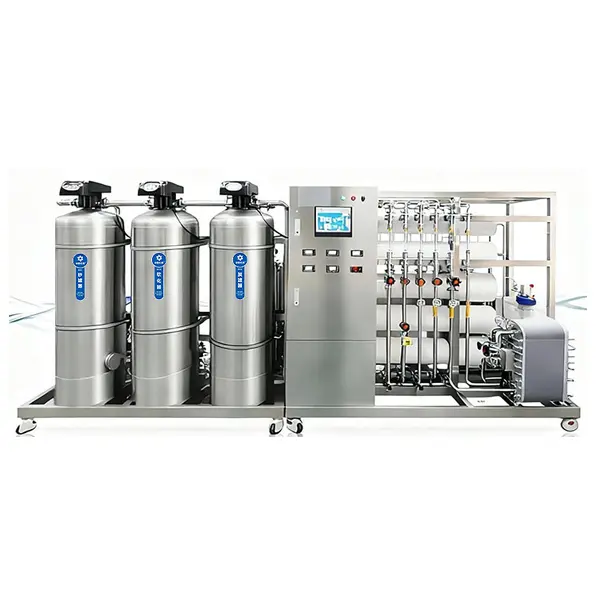
The water quality requirements for pharmaceutical are extremely strict. EDI water treatment systems can be integrated with industrial CIP systems to provide high-purity water for cleaning and process applications.

EDI system for automotive urea production

RO EDI water treatment system for Automotive Urea Production

The EDI system can produce ultrapure water with a resistivity of up to 18 MΩ·cm, fully meeting the high water quality standards required for automotive urea solution production.
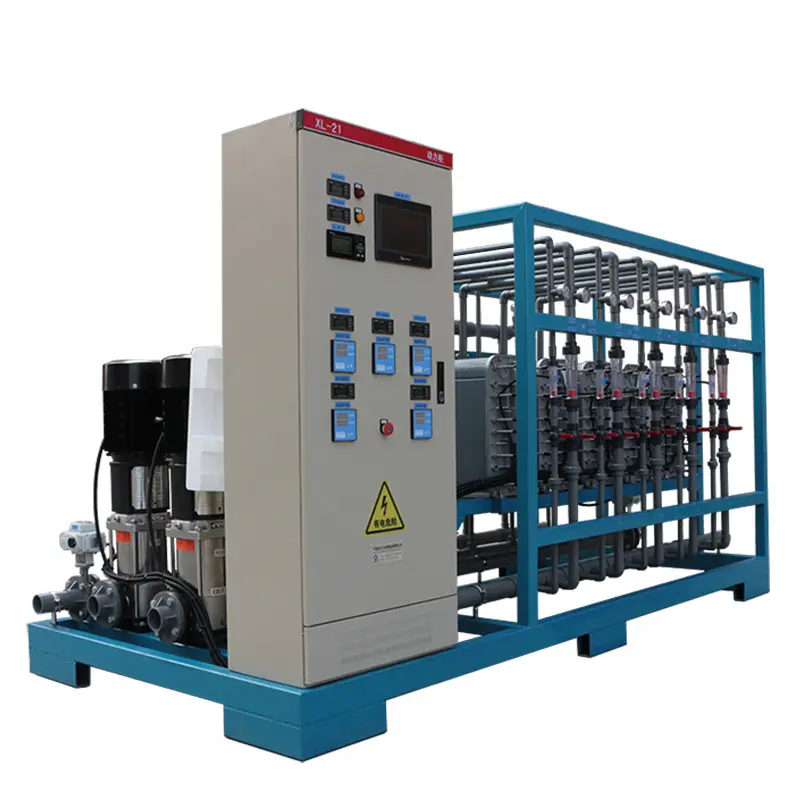
EDI System Water Treatment for Power Plants

EDI System Water Treatment for Power Plants

Boiler feed water requires extremely high purity, as even trace impurities can cause scaling, corrosion, or even safety incidents under high-temperature and high-pressure conditions. EDI systems can stably produce ultrapure water.
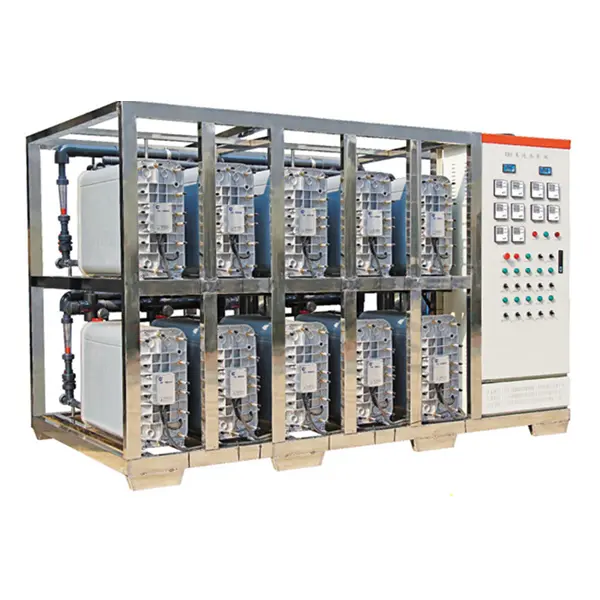
EDI system for semiconductor applications

EDI for Water Treatment in Semiconductor Applications

During the manufacturing of precision electronic components such as integrated circuits and photovoltaic materials, large quantities of ultrapure water are required for cleaning and solution preparation.
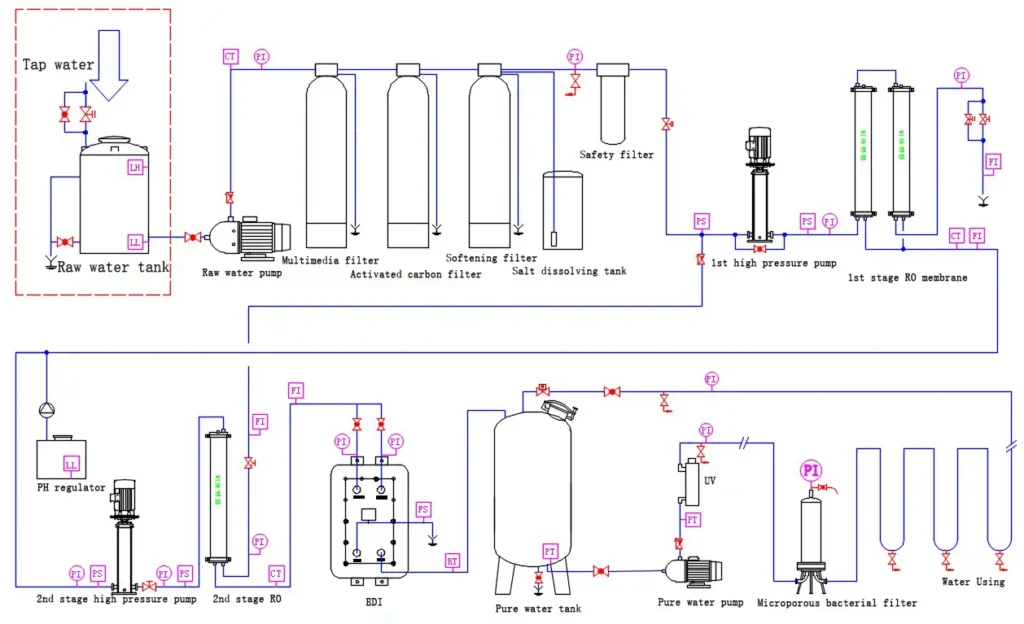
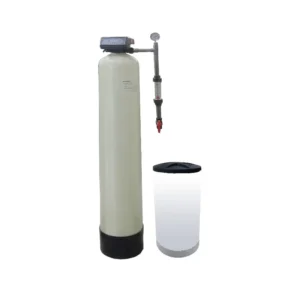
More tips of the EDI system design, please visit here.

Electrodeionization System Process

EDI system PROCESS

FAQ

What is edi in water treatment?

The EDI system (Electrodeionization, continuous deionization technology) is a water treatment system that combines electrodialysis and ion exchange technologies. It uses a direct current electric field to drive the directional migration of ions and enable continuous electro-regeneration of ion exchange resins, allowing the continuous production of ultrapure water without the use of acid or alkali chemicals. The system consists of ion exchange membranes, mixed resins, electrodes, and a power supply.

EDI technology not only delivers superior desalination performance, but also offers significant advantages such as continuous operation, elimination of chemical regenerants, and reduced secondary pollution.

The calculation of pump head must take into account the inlet pipeline pressure losses (mainly related to the distance, elevation difference, pipe diameter, and pipe material between the feed water pump and the EDI unit; actual values should be based on site conditions), the pressure drop across the security filter (generally about 0.05 MPa, subject to actual site conditions), the pressure differential of the EDI module (taking the Electropure EDI EXL series as an example, typically not exceeding 0.35 MPa), and the required product water back pressure (including the elevation difference of the product water tank and pressure losses in the EDI product water piping, generally about 0.15 MPa, subject to actual site conditions), so as to avoid insufficient water pressure affecting the EDI product water flow.

With the rapid development of the electronics, semiconductor, and optoelectronics industries, the demand for high-purity water continues to grow. At the same time, industries such as biopharmaceuticals, food and beverage, and chemicals also require high-purity water in their production processes. Therefore, the market demand for ultrapure water EDI systems is very strong across these industries.

  • Booster pump issues
  • High ultrapure water conductivity during initial startup
  • Reduced product water output from the system
  • Difficulty starting the equipment

The system adopts a composite process of “pre-treatment + secondary RO + EDI + mixed bed”.The system operates under fully automatic control, with an overall system recovery rate of 65%–75% and a secondary RO stage recovery rate of 80%–85%, balancing efficiency and water-saving requirements.Lorem ipsum dolor sit amet, consectetur adipiscing elit. Ut elit tellus, luctus nec ullamcorper mattis, pulvinar dapibus leo.

During operation, EDI ultrapure water systems generate a small amount of wastewater, primarily from the concentrate chamber of the modules. During the ion migration process, some water containing a high concentration of ions enters the concentrate chamber, forming concentrate (i.e., wastewater). This portion of water must be discharged from the system to prevent ion accumulation within the module, which could affect product water quality.

EDI has strict feed water requirements (e.g., RO product water conductivity ≤ 20 μS/cm, hardness ≤ 1 ppm, TOC ≤ 0.5 ppm, etc.).

Related Articles

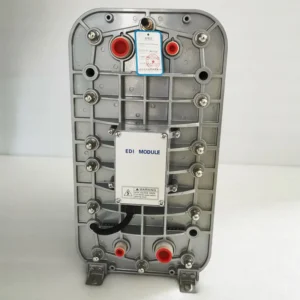
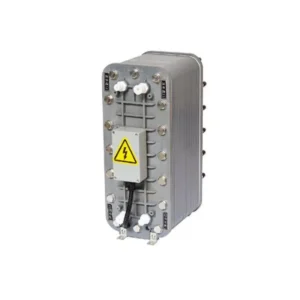
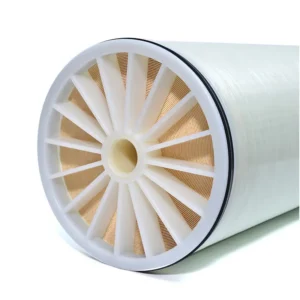
Related Products-EDI Module & RO Membrane

Scroll to Top

Send your inquiry today