EDI Modules
EDI Module Manufacturers & OEM Supplier
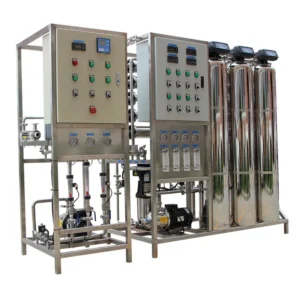
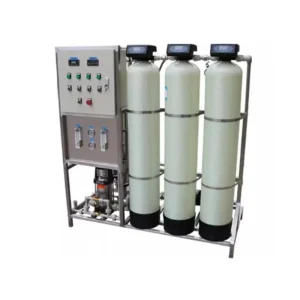
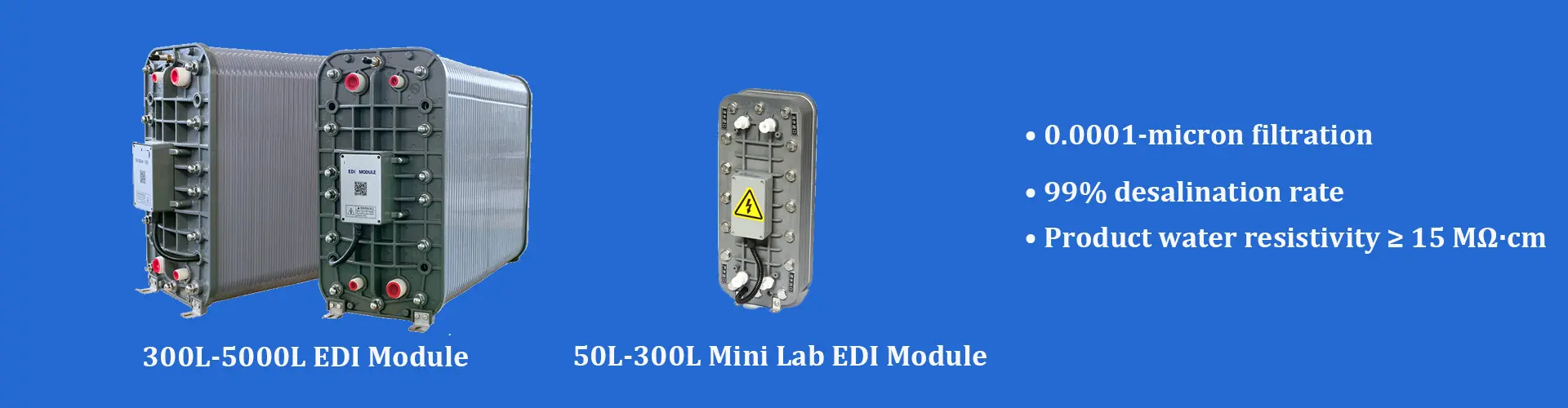
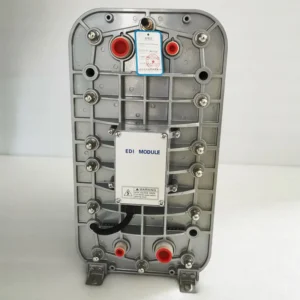
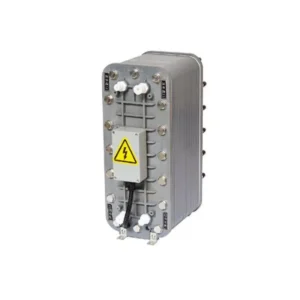
As a professional EDI module manufacturer, we specialize in the design and production of high-performance EDI modules for ultrapure water systems, both industrial type (300L to 5000L) and lab type EDI modules(50L to 300L).
EDI modules operate through the combined action of an electric field and ion exchange resins, enabling the deep removal of both cations and anions from water. The product water resistivity can be stably maintained at ≥ 15 MΩ·cm (25 °C), while key indicators such as total organic carbon (TOC), particles, and microorganisms meet the stringent standards of the ultrapure water industry.
Compared with conventional ion exchange systems, EDI modules maintain high desalination efficiency without frequent regeneration, ensuring the stability and consistency of ultrapure water quality from the source.
Clear Environment Provides You Diverse EDI Modules
Why choose our Electrodeionization EDI Module?
- Original manufacturer with in-house production
- OEM & private labeling service available
- 100% performance-compatible with leading international brands
- Extensive engineering and project experience
- Compatible replacement for mainstream EDI modules
- Strict quality control and full factory testing
- Cost-effective alternative without performance compromise
Electrodeionization EDI Module Application

Pharmaceutical Industry
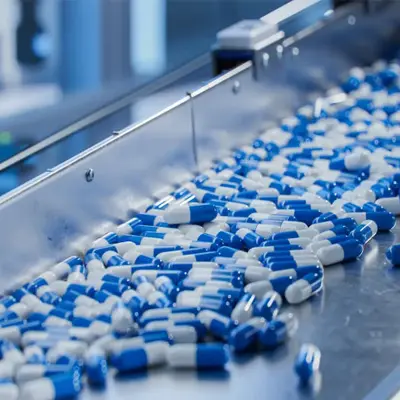
Although pharmaceutical water does not require a very high degree of deionization, electrically driven deionization (EDI) systems offer the advantages of both desalination and microbial control. As a result, many companies have adopted RO/EDI integrated systems. These systems are reported to deliver stable performance, with full-process computer monitoring and fully automated, unattended operation.
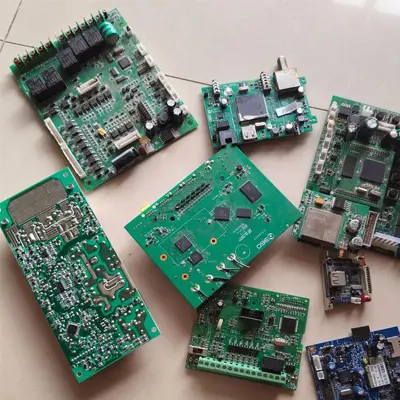
Electronics Industry
The electronics industry has extremely high water quality requirements, with water resistivity needing to be stably above 18 MΩ·cm. Since EDI product water typically reaches around 15–17 MΩ·cm, the production of electronic-grade water often employs an EDI + polishing resin system, where ion exchange is added after EDI. Although this process still uses ion exchange, most ions have already been removed by EDI, so the polishing resins require almost no regeneration, keeping water treatment costs very low.
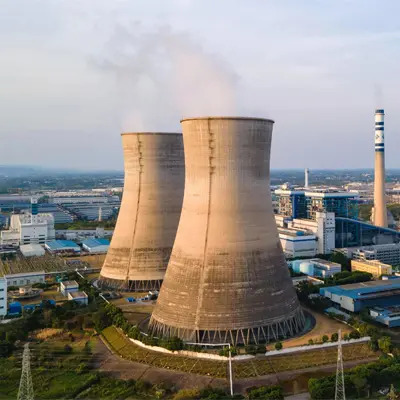
Power Industry
It is estimated that the operating costs of water treatment units in the power industry account for approximately 10% of electricity costs, and replacing ion exchange resins with electrically driven deionization (EDI) can reduce the cost per 1,000 gallons of water from $11 to $1.75.
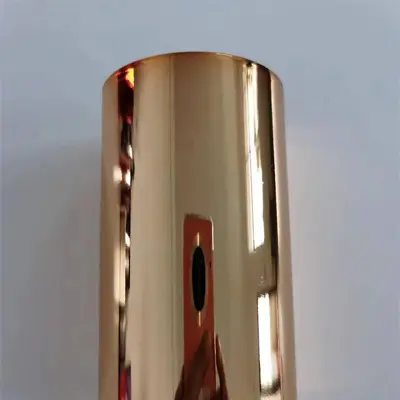
Electroplating and Metal Surface Treatment
Electrically driven deionization (EDI) equipment can be used for electroplating wastewater treatment, enabling water reuse and recovery of heavy metal ions. Pilot systems of this type have already been implemented in the United States.
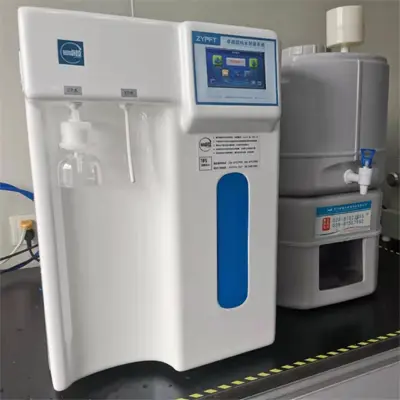
Laboratory Ultrapure Water
In research and laboratory settings, ultrapure water is widely used in various chemical and biological experiments. EDI technology provides laboratories with high-quality ultrapure water, enhancing the accuracy and reliability of experimental results.

Cosmetic Industry
Ultrapure water with extremely high purity contains no impurities, viruses, or trace minerals. Water produced by EDI ultrapure water systems is non-hard, slightly sweet in taste, meeting direct drinking standards, and has a resistivity of over 18 MΩ·cm. Therefore, EDI ultrapure water systems can fully meet the high standards and stringent requirements for water used in the cosmetics industry.
EDI Module Electrodeionization Market
The global market size was approximately USD 1.129 billion in 2024 and is projected to reach USD 1.659 billion by 2031, with a compound annual growth rate (CAGR) of 5.6% between 2025 and 2031.
Key drivers of market growth include:
The electronics industry, as the largest end-user, accounted for 52% of the global market in 2024, with continued demand for ultrapure water in semiconductor manufacturing and related processes.
Expanding demand in pharmaceuticals, power generation, and emerging industrial sectors.
Stricter environmental regulations and water reuse policies driving industries to adopt more sustainable water treatment technologies.
The Asia-Pacific region is the largest consumer market, accounting for 53% of global demand, mainly benefiting from the concentration of electronics manufacturing and regional industrialization.
However, high initial investment costs and the complexity of system integration may limit adoption among small and medium-sized enterprises and in emerging markets.
FAQ of EDI Module
What is an EDI module?
An ultrapure water EDI module is an advanced water treatment device that integrates electrodialysis (ED) and ion exchange (IX) technologies, specifically designed for the production of high-purity water.
What is EDI water?
EDI water is water with extremely low conductivity (resistivity ≥ 15 MΩ·cm), containing virtually no ions, particles, organic matter, or dissolved gases.
How EDI works in water system?
Under the electric field, ions are removed through ion exchange membranes. At the same time, water molecules generate hydrogen ions (H⁺) and hydroxide ions (OH⁻) under the electric field, which continuously regenerate the ion exchange resins, keeping them in optimal operating condition.
What is EDI water conductivity?
The conductivity of EDI ultrapure water is typically at an extremely low level, generally ranging from 0.055 to 0.2 μS/cm, and under ideal conditions, it can be as low as 0.055 μS/cm or even lower.
What is edi water treatment system?
Typically used in combination with reverse osmosis (RO) technology, using the permeate from a second-stage RO as feed water. The product water recovery can reach 90–95%, with resistivity of 15–18 MΩ·cm (25 °C), approaching the theoretical ultrapure water standard (18.29 MΩ·cm), making it suitable for demanding industries such as semiconductors and pharmaceuticals.
What are advantages of ro edi water treatment?
In practice, the two are often combined in a “two-stage RO + EDI” configuration to achieve complementary benefits. For example, the semiconductor and healthcare industries use this approach to balance water quality and cost.
What is EDI feed water quality?
Conductivity – Ideal range: 1–10 μS/cm. This ensures the normal operation of the EDI stack and the quality of the product water.
Maximum limit: In certain cases, the maximum acceptable conductivity can be up to 25 μS/cm (NaCl).