Sanitary RO Membranes
Sanitary Heat-Resistant RO Membranes Supplier
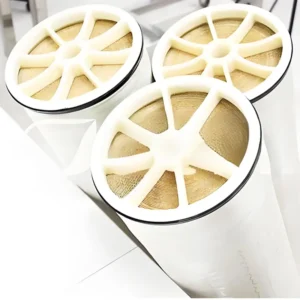
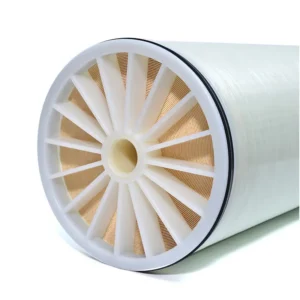
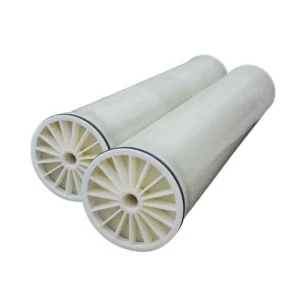
Sanitary RO membranes designed for high-temperature hot water sanitization, eliminating the need for chemical cleaning while improving product quality and meeting strict industry regulations. These membranes can withstand thermal sanitization up to 85°C (185°F).
Suitable for water purification and separation systems with low crossflow, no suspended solids, and a maximum operating temperature of 45°C (113°F). As sanitary-grade RO membrane elements, they are ideal for applications in the pharmaceutical, food, and cosmetic industries.
Notes:
The thermal disinfection process involves heating the water flow to a certain temperature (e.g., 85°C) to eliminate microorganisms in the water using high temperature. The elevated temperature destroys the cellular structures of bacteria and viruses, causing them to lose their activity.
The main mechanisms of this process include the denaturation and coagulation of intracellular proteins caused by high temperature, which impairs the survival ability of microorganisms. In addition, the increase in temperature may enhance the fluidity of the cell membrane, ultimately leading to membrane rupture and leakage of cellular contents.
Key Parameters of Sanitary RO Membranes
1. Performance Parameters
- Effective Membrane Area: 390 ft² (36 m²). The high active area reduces required operating flux and lowers overall system cost.
- Salt Rejection: Stable at 99.5%.
- High Temperature Resistance: Designed for sanitary RO membranes, with a maximum operating temperature of 45°C and capable of withstanding hot water sanitization up to 85°C, meeting stringent pharmaceutical sterile requirements.
- Wide pH Range: Continuous operation at pH 2–11, extendable to pH 1–12 for short-term cleaning, adaptable to various cleaning conditions.
2. Innovative Design
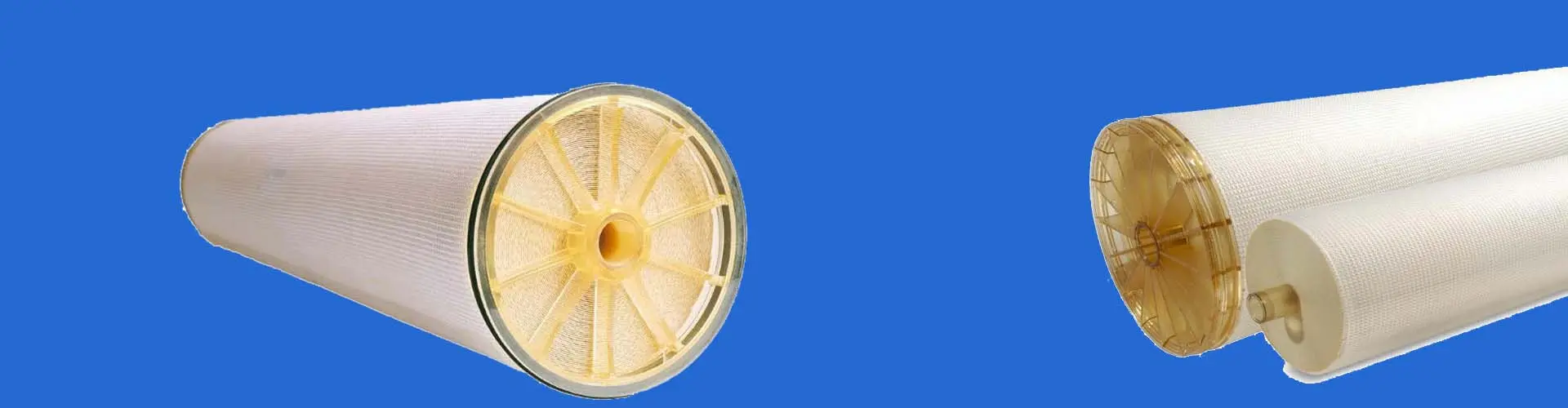
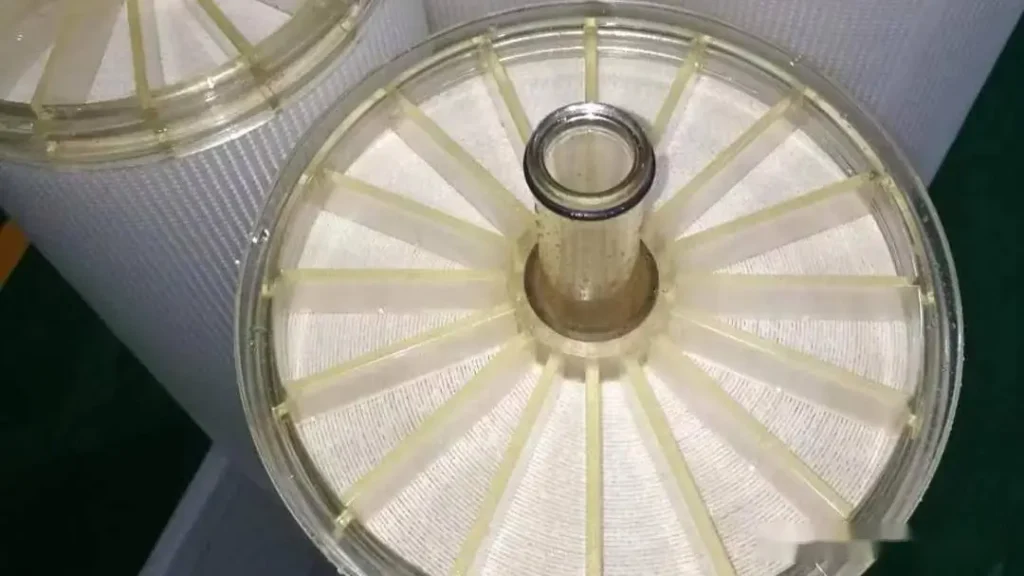
- Full-Fit (Shell-less) Structure: Eliminates dead zones between the membrane element and pressure vessel, reducing the risk of biofouling and complying with FDA standards.
- High Pressure Resistance: Maximum operating pressure of 600 psi (41 bar), ensuring long-term stable operation.
| Model | HSRO-8040T95/31SU | HSRO-4040T95/31SU |
|---|---|---|
| Membrane Area (ft² / m²) | 390 (36) ±3% | 91 (8.4) ±3% |
| Feed Spacer Thickness (mil) | 31 | 31 |
| Permeate Flow (GPD / m³/d) | 9000 (34) ±20% | 1900 (7.2) ±20% |
| Salt Rejection (%) | 99.50% | 99.50% |
| Max Operating Temperature (°C) | ≤60 (at ≤1.0 MPa) | ≤60 (at ≤1.0 MPa) |
| Hot Water Sanitization Temp (°C) | ≤85 | ≤85 |
| Temperature Rise Rate (°C/min) | ≤5 | ≤5 |
| Max Operating Pressure (psi / MPa) | ≤600 (4.1) | ≤600 (4.1) |
| Max Pressure Drop per Element (psi / bar) | 6–10 / 0.4–0.7 | 6–10 / 0.4–0.7 |
| Operating pH Range | 2–11 | 2–11 |
| Cleaning pH Range | 1–12 | 1–12 |
| Cleaning Pressure (psi / bar) | 75–100 / 5.2–6.9 | 75–100 / 5.2–6.9 |
| Max Cleaning Condition | ≤60°C (150 psi / 10 bar) | ≤60°C (150 psi / 10 bar) |
Advantage of Sanitary RO Membrane
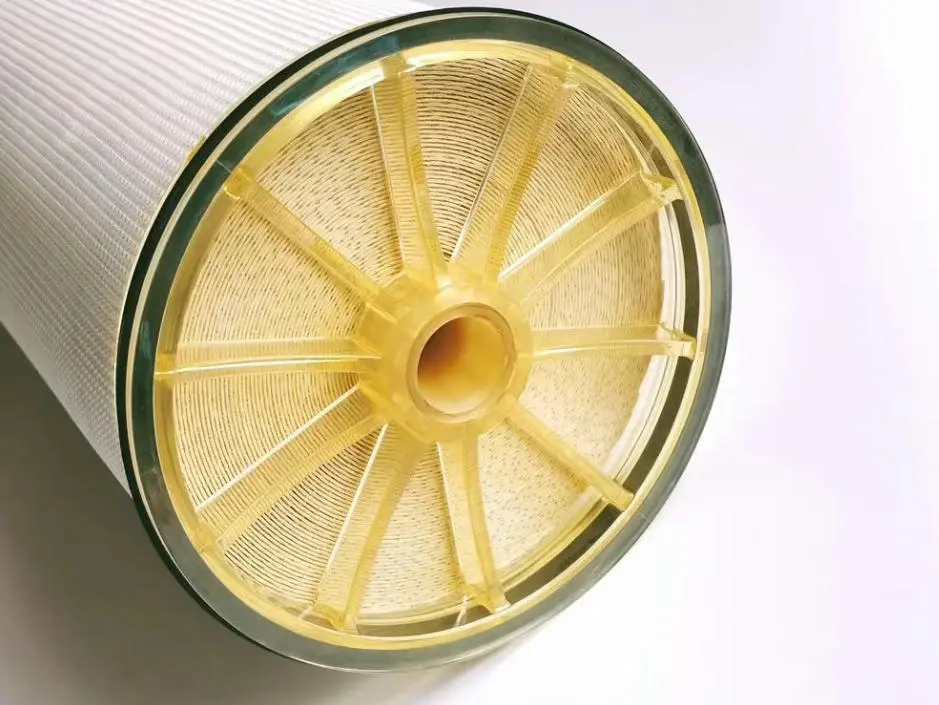
Rigid Outer Shell Design
Adopts a mechanically reinforced polypropylene rigid outer shell, effectively preventing membrane telescoping and feed spacer displacement.
The durable structure ensures safer and faster installation and replacement.
Reduces bypass flow, improves hydrodynamics, lowers energy consumption, and enhances permeate water quality.
Performance Improvements
64% reduction in void volume
Up to 30% energy savings
10% increase in permeate flow
Impact of Excessive Bypass Flow
Reduced water production efficiency
Increased feed water demand
Higher pump flow requirements, leading to increased energy consumption
Sanitary Heat-Resistant RO Membranes Application
Typical Applications
- Thermal disinfection of high-purity water for injection use
- Boiler condensate recovery
- Dyeing and rinsing water recovery in the textile industry
- Dilute sugar juice concentration
- Milk concentration
- Desalination and organic removal in the treatment and recovery of high-temperature water and wastewater
- Caprolactam concentration in polyester production
- Condensate recovery in tire manufacturing plants
- Condensate recovery in ammonia synthesis plants
- Produced water purification for oilfield reinjection
Sanitary Heat-Resistant RO Membranes VS Conventional RO Membrane
1. Structural Comparison
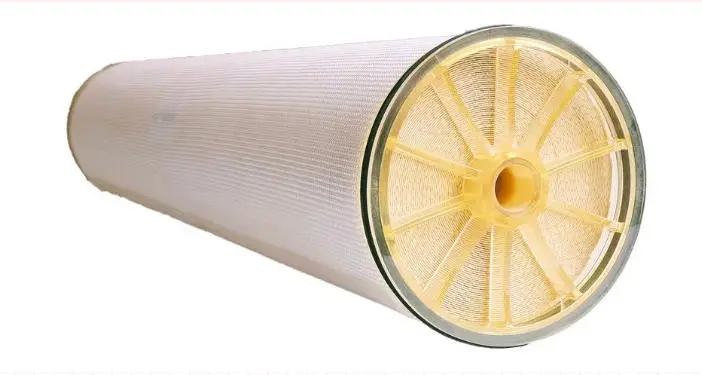
Sanitary Heat-Resistant RO Membranes: Made of heat-resistant polymers (e.g., PES, PVDF); support layer has high thermal stability; separation layer uses ultra-thin composite technology for higher flux and rejection rate.
Conventional Membranes: Made of CA or PA materials; poor thermal stability (CA ≤35°C); support layer is polyester non-woven fabric; relatively simple structure.
Impact: Sanitary heat-resistant RO membranes offer heat resistance and high flux; conventional membranes are limited by temperature.
2. Performance Comparison
Thermal Stability: Sanitary heat-resistant RO membranes can operate above 60°C; conventional membranes only 25–35°C.
Flux: Sanitary heat-resistant RO membranes are 20–50% higher (due to increased water activity at high temperatures).
Rejection Rate: Sanitary heat-resistant RO membranes perform better for high-concentration organics and microorganisms.
Fouling Resistance: Sanitary heat-resistant RO membranes resist biofilm formation and organic fouling; conventional membranes are prone to fouling and require frequent chemical cleaning.
3. Application Scenarios
Sanitary Heat-Resistant RO Membranes: Food/beverage concentration, chemical high-temperature wastewater, geothermal/solar thermal water treatment.
Conventional Membranes: Drinking water, electronics/pharmaceutical pure water, seawater desalination, brackish water desalination.
Reason: Performance determines suitable temperature and water quality requirements; sanitary heat-resistant RO membranes have higher cost and are not suitable for low-cost applications.
4. Cost Comparison
Procurement Cost: Sanitary heat-resistant RO membranes are 30–50% more expensive than conventional membranes.
Operating Cost: Sanitary heat-resistant RO membranes have higher flux, require less membrane area, and fewer cleanings; conventional membranes have lower flux, require larger area, and more frequent cleanings.
Overall Cost: Sanitary heat-resistant RO membranes are more cost-effective for high-temperature/high-demand applications; conventional membranes are more cost-effective for normal-temperature/low-demand applications.
5. Development Trends
Sanitary Heat-Resistant RO Membranes: Improve performance, reduce cost, develop new materials, expand applications in new energy/environmental protection.
Conventional Membranes: Improve fouling resistance, enhance materials/structure, integrate with other water treatment technologies.
Related Articles
- Characteristics of Reverse Osmosis Membrane Fouling and Reverse Osmosis Membrane Cleaning Methods
- RO Plant in Dialysis: A Detailed Guide to the Reverse Osmosis System
- RO Plant for Dialysis: A Detailed Guide to the Pretreatment System
- How to Design a Dialysis Water Distribution Loop When a 40-machine Center Opens with Only 10 Machines
- Vertical vs Horizontal RO Membranes: Does Installation Orientation Matter?
- Optimizing Circulating Cooling Water Systems Using Reverse Osmosis Membrane Filtration Permeate
- Control and Prevention of Silica Fouling on RO Membranes
- RO Membrane Antiscalant Dosing: From Calculation Principles to Practical Application
- RO System Design: Series Staging or Concentrate Recirculation for Small RO Systems?
- Winter Maintenance Tips for Water Vending Machines
- Small Reverse Osmosis Plant Process Details (0.5m3/Hour)
- Besides reverse osmosis membrane flux, what other key design parameters are easily overlooked but can significantly impact membrane life?
- NF Membrane VS RO Membrane VS Forward Osmosis Membrane
- How to Calculate Recovery Rate RO System?
- Relationship Between RO Membrane Element Pressure Limits and Recovery Rate in Water Reuse and Zero Liquid Discharge Applications
- How to Choose RO Membranes from China: 3 Key Factors to Consider