
Ultraviolet (UV) water treatment has become one of the most widely used disinfection technologies in drinking water, wastewater, industrial process water, and residential purification systems. For decades, low-pressure mercury lamps have been the dominant UV disinfection source due to their proven performance and cost-effectiveness. However, recent advances in Deep UV-LED technology are creating new opportunities for more compact, energy-efficient, and environmentally friendly UV water treatment solutions.
This article compares traditional mercury lamp systems with emerging Deep UV-LED disinfection technology and explores their applications, advantages, and limitations.
Traditional Low-Pressure Mercury Lamp UV Water Treatment
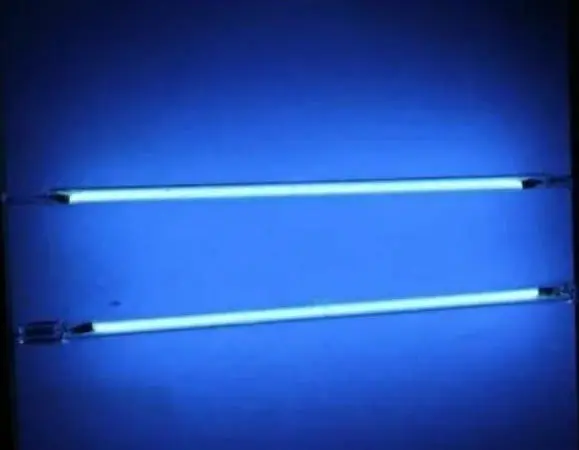
Low-pressure mercury lamps have been used for UV disinfection for many years because they provide:
- Stable UV output
- Mature manufacturing technology
- Relatively low cost
- Proven disinfection performance
Typical Applications
Surface Disinfection
Mercury UV lamps are commonly used for disinfecting surfaces in hospitals, laboratories, and industrial facilities. Effective disinfection requires direct exposure to UV radiation, and rough or irregular surfaces often require longer exposure times.
Air Disinfection
UV lamps can be installed in indoor environments to reduce airborne microorganisms. Proper installation height, adequate UV intensity, and routine maintenance are essential for maintaining effectiveness.
Water and Liquid Disinfection
In UV water treatment systems, mercury lamps are typically installed inside quartz sleeves that protect the lamp while allowing UV transmission. Water quality, flow rate, and UV dose must be carefully controlled to achieve effective microbial inactivation.
Limitations of Mercury Lamps
Despite their widespread use, mercury lamps have several disadvantages:
Mercury Content
Mercury is classified as a hazardous substance and is increasingly regulated worldwide due to environmental and health concerns.
Fragility
Most mercury lamps use quartz glass tubes that can break during handling or operation, potentially releasing mercury vapor.
Large Size and High Starting Voltage
Mercury lamp systems typically require ballasts and high-voltage ignition circuits, increasing system size and complexity.
Fixed Wavelength Output
Most low-pressure mercury lamps emit primarily at 253.7 nm. While highly effective against many microorganisms, different pathogens may respond differently to various UV wavelengths, limiting flexibility.
Deep UV-LED Technology for UV Water Treatment
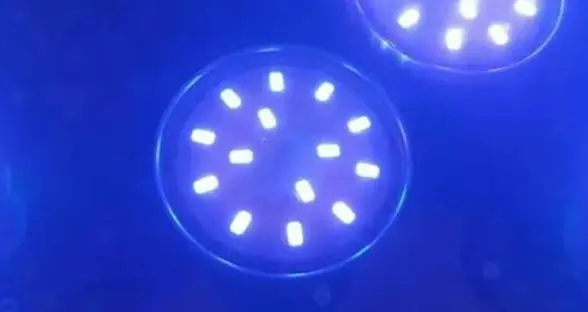
Deep UV-LED (DUV-LED) technology represents the latest generation of UV disinfection sources. UV-LEDs are semiconductor-based devices capable of emitting ultraviolet radiation without the need for mercury or gas discharge.
Research on nitride-based UV-LEDs began in the 1990s, and modern devices can now cover wavelengths ranging from approximately 210 nm to 400 nm. LEDs operating below 300 nm are generally classified as Deep UV LEDs because they fall within the germicidal UV-C spectrum.
Advantages of Deep UV-LED Technology
Compared with traditional mercury lamps and xenon lamps, Deep UV-LEDs offer several significant advantages.
Long Switching Life
Frequent on/off cycling has little impact on LED lifespan. In contrast, mercury lamp performance gradually decreases with repeated starts and operating hours.
Energy Efficiency
UV-LED systems consume less power and can achieve higher overall energy efficiency in many applications.
Narrow Spectrum Output
UV-LEDs emit light within a specific wavelength range, allowing energy to be concentrated in the germicidal spectrum without producing unnecessary infrared radiation.
Compact Size
Individual UV-LED chips are extremely small and can be integrated into various system designs. This enables compact UV water treatment devices for point-of-use and portable applications.
Low-Voltage DC Operation
Unlike mercury lamps, UV-LEDs operate using low-voltage DC power, making them ideal for portable and battery-powered equipment.
Environmentally Friendly
UV-LEDs contain no mercury and generate no hazardous waste during operation or disposal.
Applications of UV-LED Water Treatment Systems
As UV-LED performance continues to improve, applications are rapidly expanding, including:
Residential Water Treatment
- Under-sink water purifiers
- Reverse osmosis (RO) systems
- Water dispensers
- Refrigerator water systems
Portable Water Purification
- Camping water purifiers
- Hiking water treatment devices
- Emergency drinking water systems
- Military field water treatment equipment
Commercial and Industrial Systems
- Laboratory water purification
- Medical water systems
- Food and beverage processing
- Industrial process water treatment
Consumer Disinfection Products
- Portable UV sanitizers
- UV sterilization bags
- Handheld UV disinfection devices
Challenges Facing Deep UV-LED Technology
Although UV-LED technology shows tremendous potential, several challenges remain.
Higher Initial Cost
Deep UV-LED devices currently cost more than conventional mercury lamp systems.
Limited Commercialization
Many UV-LED research results remain at the laboratory stage, with fewer large-scale commercial products available compared with traditional UV technologies.
Market Development
The long-term market positioning and application standards for UV-LED systems are still evolving, which may slow adoption in some industries.
Conclusion
Today, UV water treatment primarily relies on two technologies:
- Mercury-based gas discharge UV lamps
- Deep UV-LED disinfection systems
Mercury lamp technology remains widely used because of its mature design, stable performance, and extensive operating history. However, Deep UV-LED technology offers compelling advantages, including mercury-free operation, compact size, low-voltage power requirements, instant start-up, and flexible system design.
As UV-LED efficiency improves and manufacturing costs continue to decrease, Deep UV-LEDs are expected to play an increasingly important role in the future of UV water treatment, particularly in compact, portable, and next-generation water disinfection systems.