
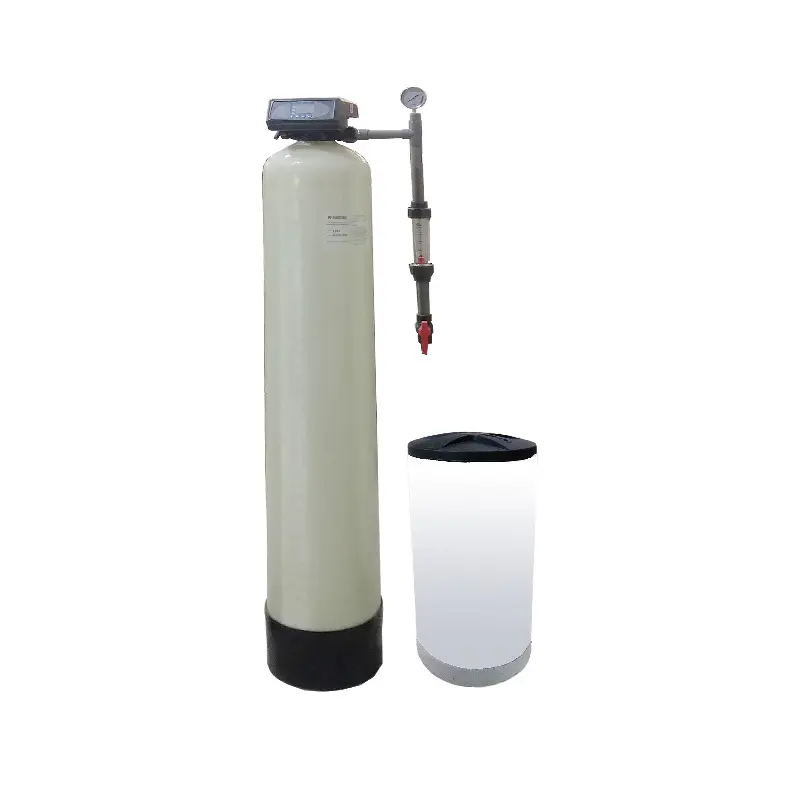
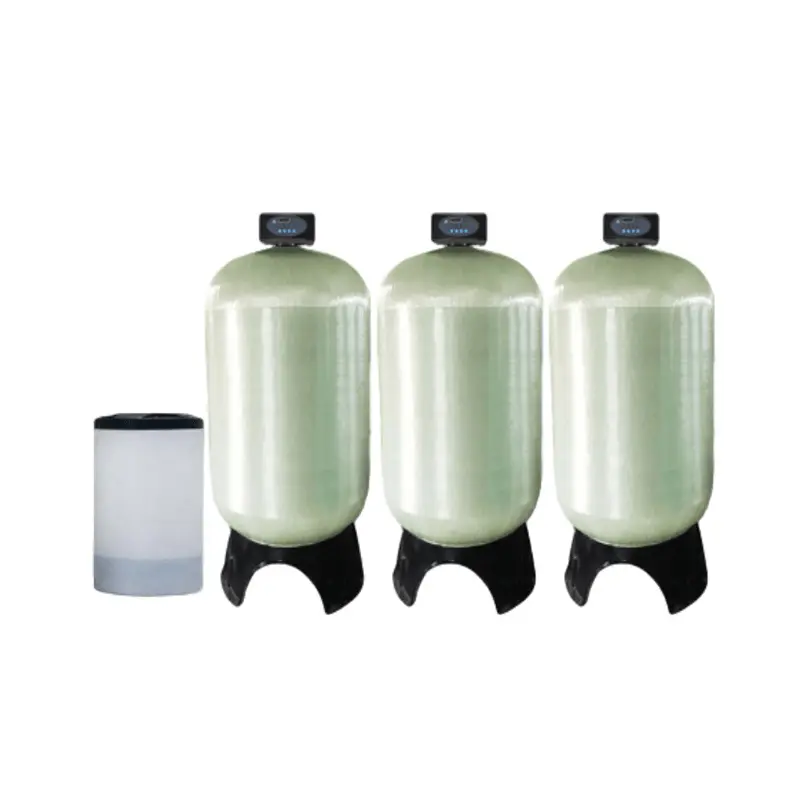
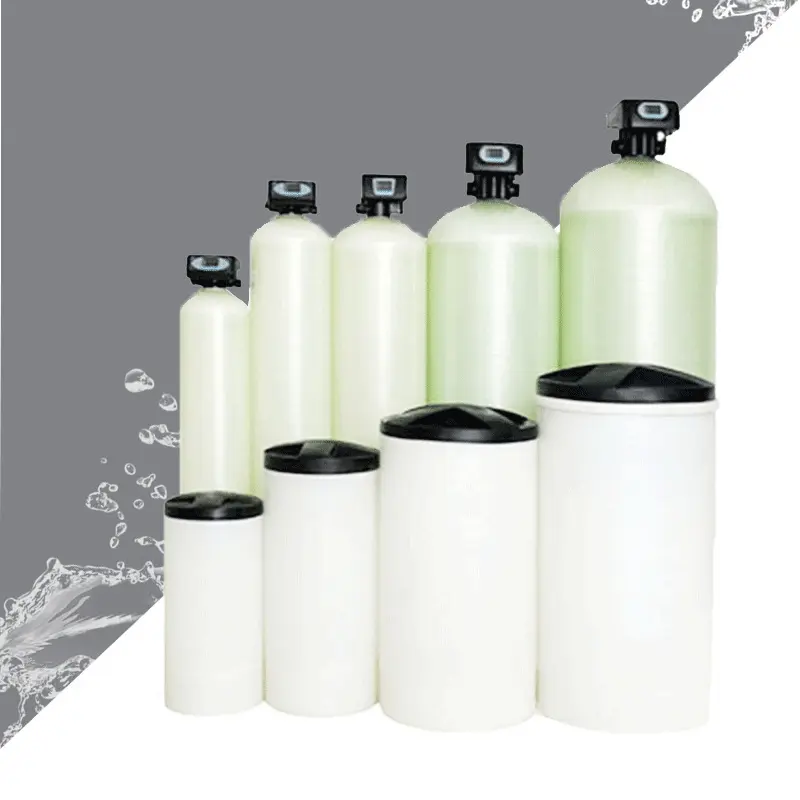
Main Features of Industrial Water Softener Systems
Industrial water softener systems reduce calcium and magnesium hardness through ion exchange, helping control scale formation in boilers, heat exchangers, pipelines, and downstream water treatment equipment.
Key Advantages:
Scale Prevention: Helps reduce hardness-related deposits in industrial piping, boilers, and heat exchange equipment.
Automatic Regeneration: Supports time-based or flow-based regeneration, depending on the control configuration.
Flexible System Design: Available with FRP or stainless steel resin tanks and single-tank or multi-tank arrangements.
Industrial Capacity Range: Configurations from 0.25 to 200 m³/h are available according to project requirements.
RO Pretreatment: Reduces calcium and magnesium hardness to help protect downstream reverse osmosis membranes from scaling.
Application Flexibility: Suitable for boiler feedwater pretreatment, textile processing, industrial laundry, food and beverage production, and general process water softening.
Customized Control Options: Automatic multiport valves or pneumatic/electric valve assemblies can be selected according to system size and operating requirements.
System configuration is determined by raw water hardness, required flow rate, regeneration frequency, and target treated-water hardness.
Industrial Water Softener System Operating Parameters
Inlet Pressure: 0.25–0.5 MPa (reference operating range)
Operating Temperature: 2–50°C, subject to resin and component specifications
Power Supply: 220V / 50Hz standard; other specifications available upon request
Raw Water Hardness: ≤6.4 mmol/L (reference design condition)
Target Outlet Water Hardness: ≤0.03 mmol/L under suitable design and operating conditions
System Configuration: Single-tank, twin-tank, or multi-tank arrangements
Regeneration Method: Co-current regeneration or other configurations, depending on system design
Control System: Automatic regeneration with time-based or flow-based control options
Note: Operating parameters and achievable treated-water hardness depend on raw water quality, resin selection, regeneration settings, and system configuration.
How Does an Industrial Water Softener System Work?
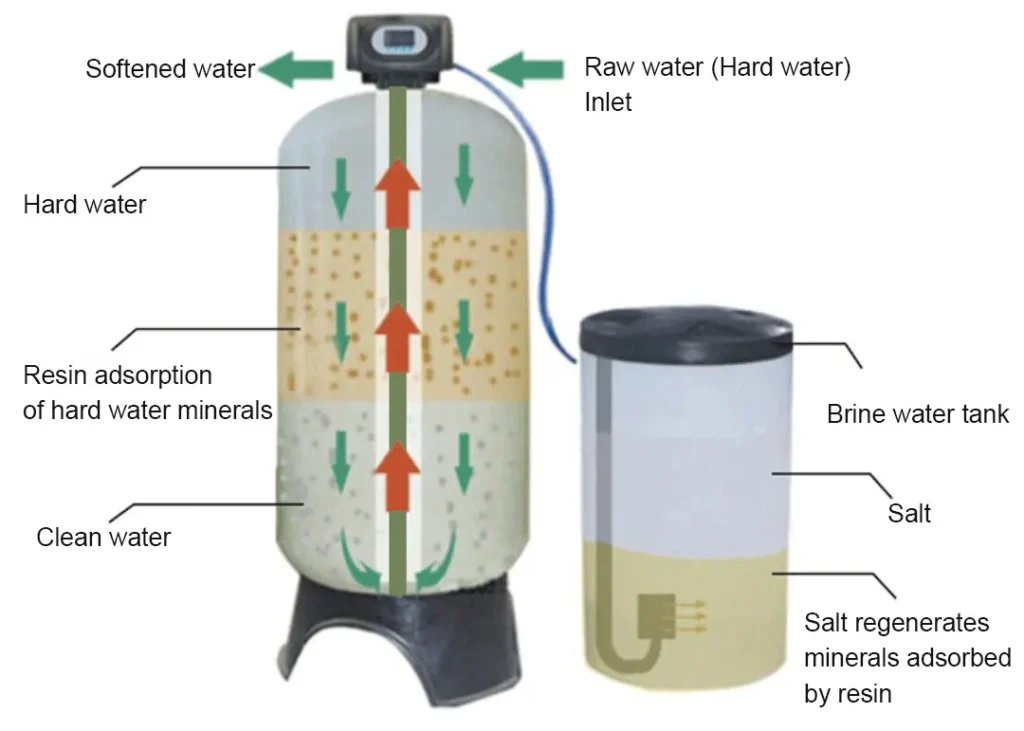
An industrial water softener uses ion exchange resin to replace calcium and magnesium ions with sodium ions, reducing water hardness. When the resin becomes exhausted, it is regenerated using a sodium chloride brine solution. Larger industrial systems may use multiple resin tanks and automated valve assemblies to meet continuous or high-flow treatment requirements.
Request a Quote for an Industrial Water Softener System
To help us recommend a suitable industrial water softening system, please provide:
Raw Water Source: Municipal water, groundwater, well water, or other sources.
Required Treatment Capacity: Flow rate in m³/h, with available configurations from 0.25 to 200 m³/h.
Raw Water Hardness: Total hardness in mg/L as CaCO₃ or mmol/L, if available.
Required Outlet Hardness: Target hardness and intended application, such as boiler feedwater or RO pretreatment.
Operating Requirements: Daily operating hours, regeneration preferences, and available power supply.
Clear Environment supports industrial water treatment distributors, engineering companies, and system integrators with system sourcing, configuration selection, and OEM requirements.
Industrial Water Softener System Operation Video
Watch an industrial water softener system in operation, including the resin tank arrangement and automatic control process. System capacity, valve configuration, and regeneration settings can be customized according to industrial water treatment requirements.
Industrial Water Softener System Models & Specifications
| Model | Flow (T/H) | Operation Pressure(Mpa) | Inlet/Outlet Diameter (mm) |
|---|---|---|---|
| 0.5T single tank | 0.5 | 0.25-0.5 | 25 or customized |
| 1T single tank | 1 | 0.25-0.5 | 25 or customized |
| 2T single tank | 2 | 0.25-0.5 | 25 or customized |
| 3-4T single tank | 3 | 0.25-0.5 | 25 or customized |
| 5.0T single tank | 5 | 0.25-0.5 | 32 or customized |
| 6-8T single tank | 6 | 0.25-0.5 | 32 or customized |
| 10T-300T customized | 10-300 | 0.25-0.5 | Customized |
The above models are reference configurations for industrial water softening applications. Actual treatment capacity, resin tank size, valve arrangement, and connection dimensions are selected according to raw water hardness, operating flow rate, and regeneration requirements.
FRP and Stainless Steel Resin Tank Options
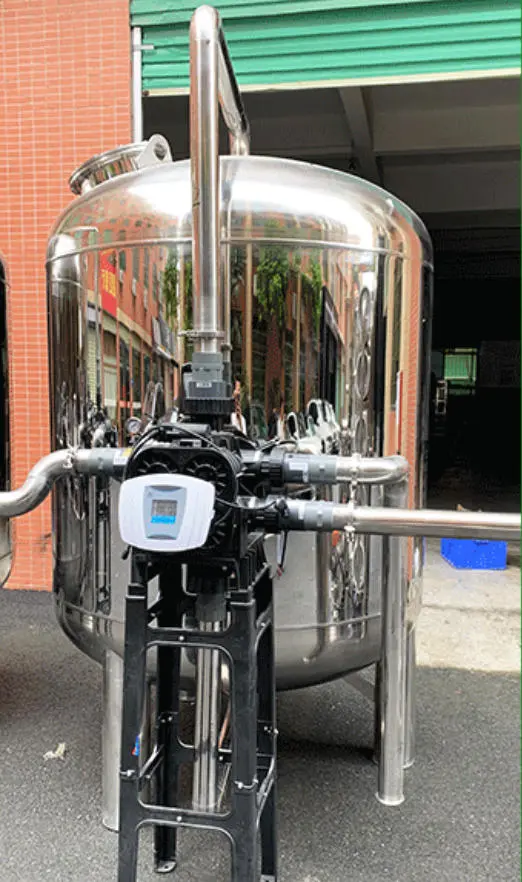
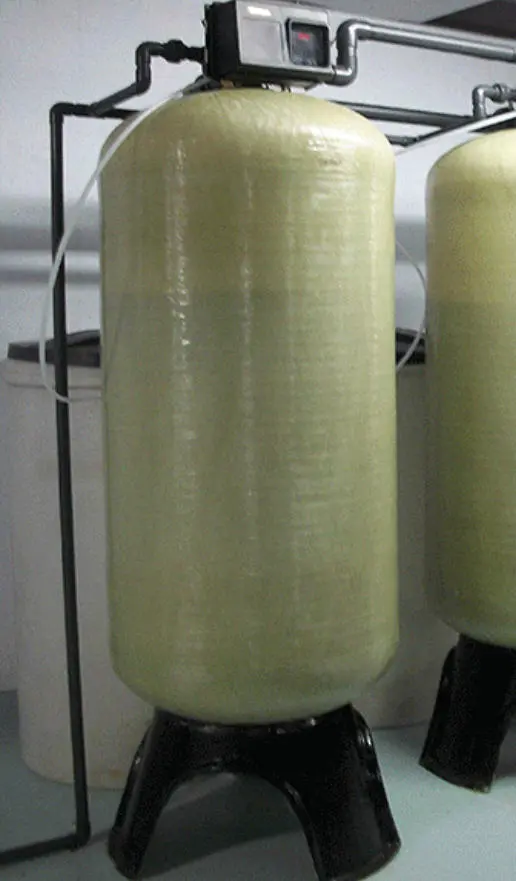
Industrial water softener systems can be configured with FRP or stainless steel resin tanks according to project requirements, operating conditions, and equipment specifications.
Cation Exchange Resin for Industrial Water Softening
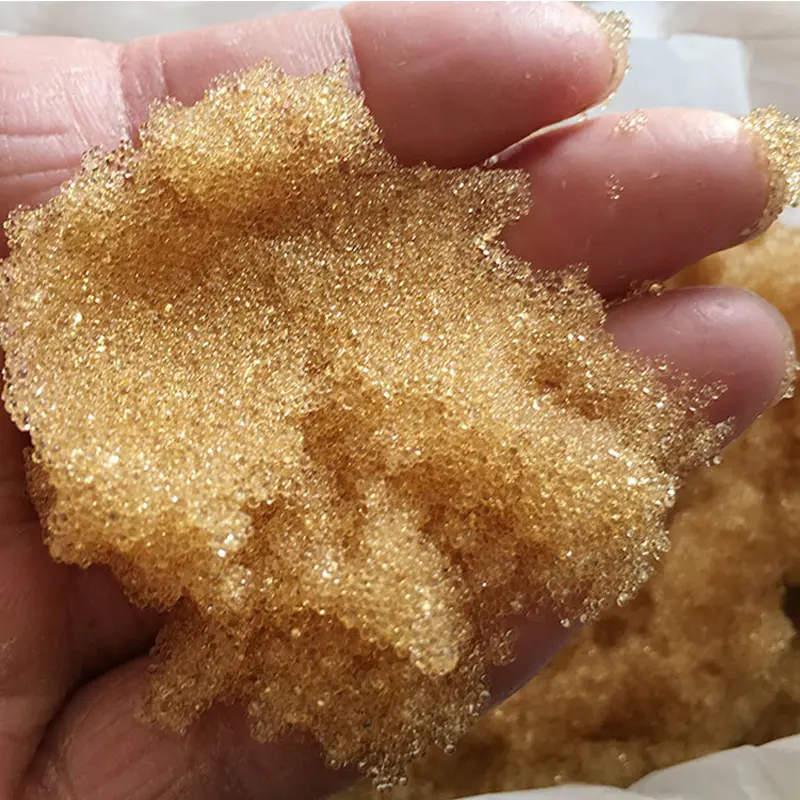
Strong acid cation exchange resin is commonly used in industrial water softening systems to remove calcium and magnesium hardness. Resin type, exchange capacity, and regeneration requirements are selected according to raw water quality and the intended application.
FAQ – Industrial Water Softener Systems
How do I select the right industrial water softener system capacity?
The required capacity depends on the water flow rate, raw water hardness, daily operating hours, and target outlet hardness. Please provide these parameters so we can help you select a suitable resin tank size, resin volume, and regeneration configuration.
Can an industrial water softener be used for boiler feedwater and RO pretreatment?
Yes. Industrial water softeners are commonly used to reduce calcium and magnesium hardness before boilers and reverse osmosis systems. This helps reduce scale formation. Additional treatment may be required depending on the boiler operating pressure, feedwater quality, and RO system design.
What is the difference between a single-tank and a twin-tank water softener?
A single-tank system generally interrupts softened-water production during regeneration unless storage or bypass arrangements are provided. A twin-tank system can be configured to maintain softened-water supply while one tank regenerates, making it suitable for applications requiring continuous operation.
Can you supply industrial water softeners with FRP or stainless steel tanks?
Yes. Both FRP and stainless steel resin tank configurations are available. Tank material, size, operating pressure, and valve arrangement can be selected according to the project requirements.
Can industrial water softener systems be customized for OEM projects?
Yes. Clear Environment supports OEM and project-specific sourcing, including customized treatment capacity, resin tank configurations, control systems, electrical specifications, and equipment labeling, subject to supplier capabilities.
What information is required to request a quotation?
Please provide the required flow rate (m³/h), raw water hardness, target outlet hardness, operating hours, water source, and application. If available, a raw water analysis report will help us recommend a more suitable system configuration.
Related Water Softening and Treatment Products
For industrial water softening projects, Clear Environment also supports sourcing of related components and treatment equipment. Explore our Automatic Water Softener Control Valves for regeneration control, FRP Water Softener Tanks for resin vessel configurations, and RO Membrane Systems for downstream water purification applications.